Feeding APAC Smarter: How Automation Is Transforming Food Supply Chains
The Pressure Cooker: APAC’s Food Supply Challenge
Asia-Pacific’s food industry is evolving faster than ever. Rising consumption, rapid urbanisation, and stricter regulations are reshaping the way food moves from manufacturer to market. In places like Singapore, where land and labour are both expensive and limited, traditional methods of scaling, expanding physical space or hiring more workers, are no longer sustainable. The industry needs smarter solutions that balance speed, precision, and cost efficiency.
Built to Scale: The Power of Dense Automation
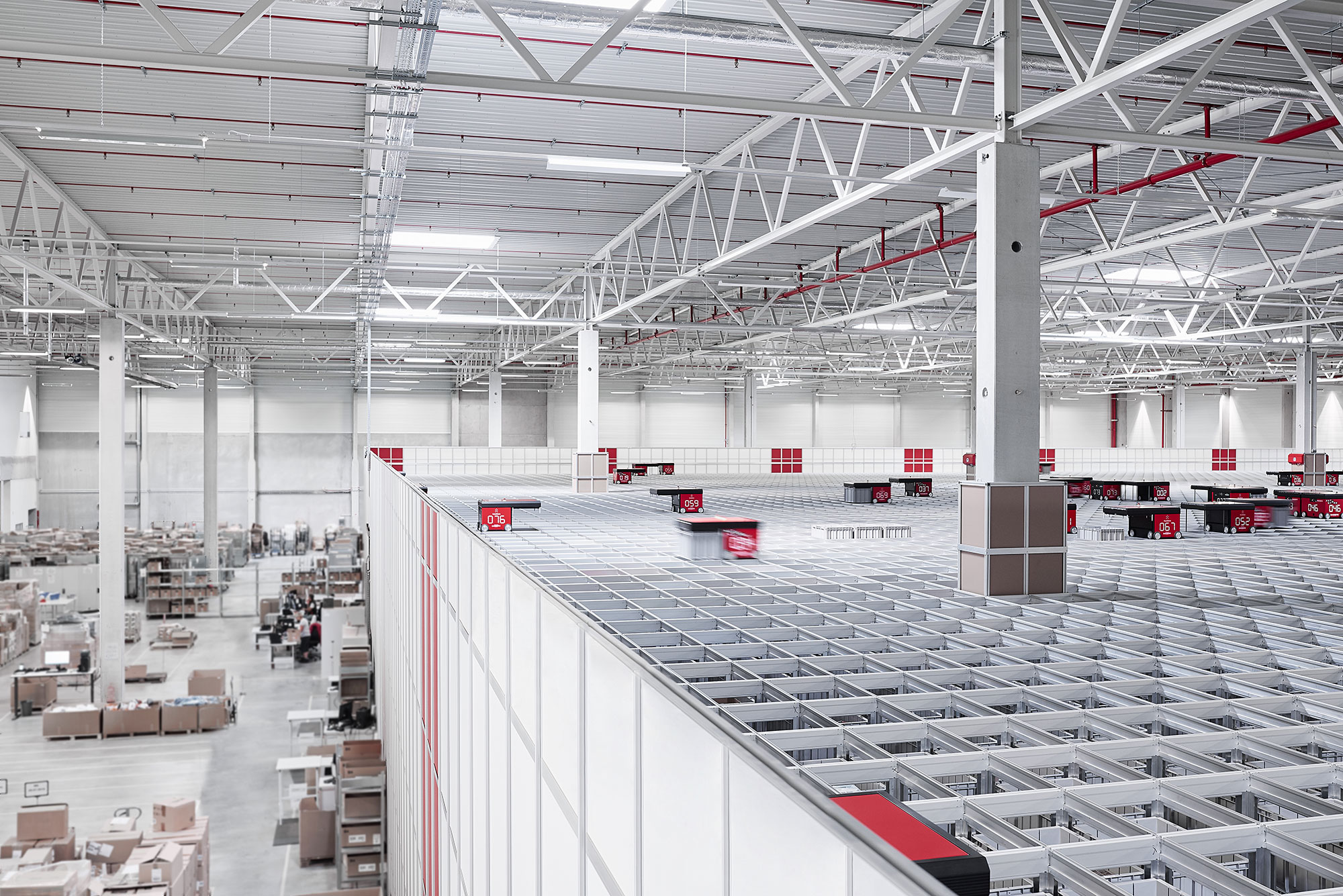
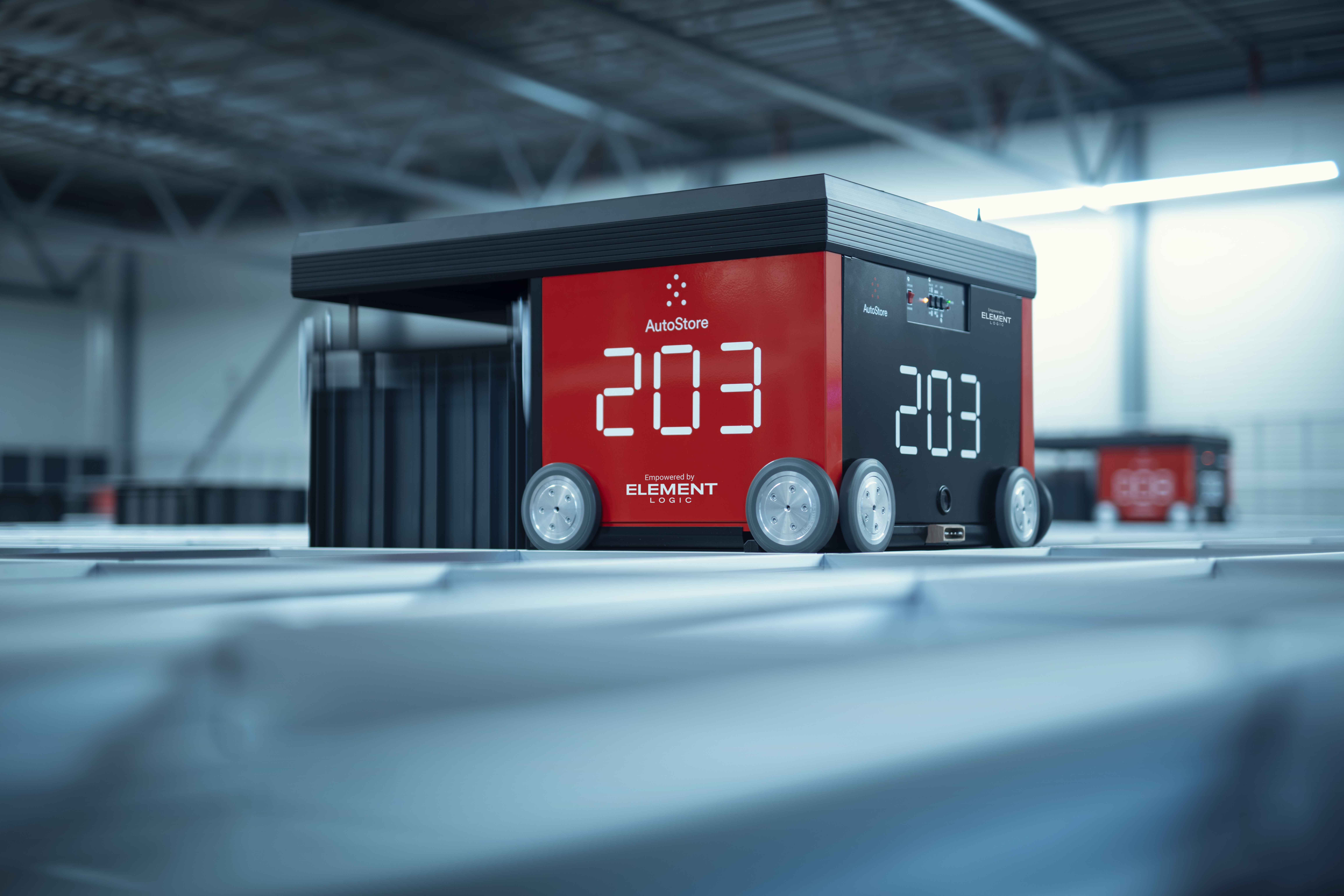
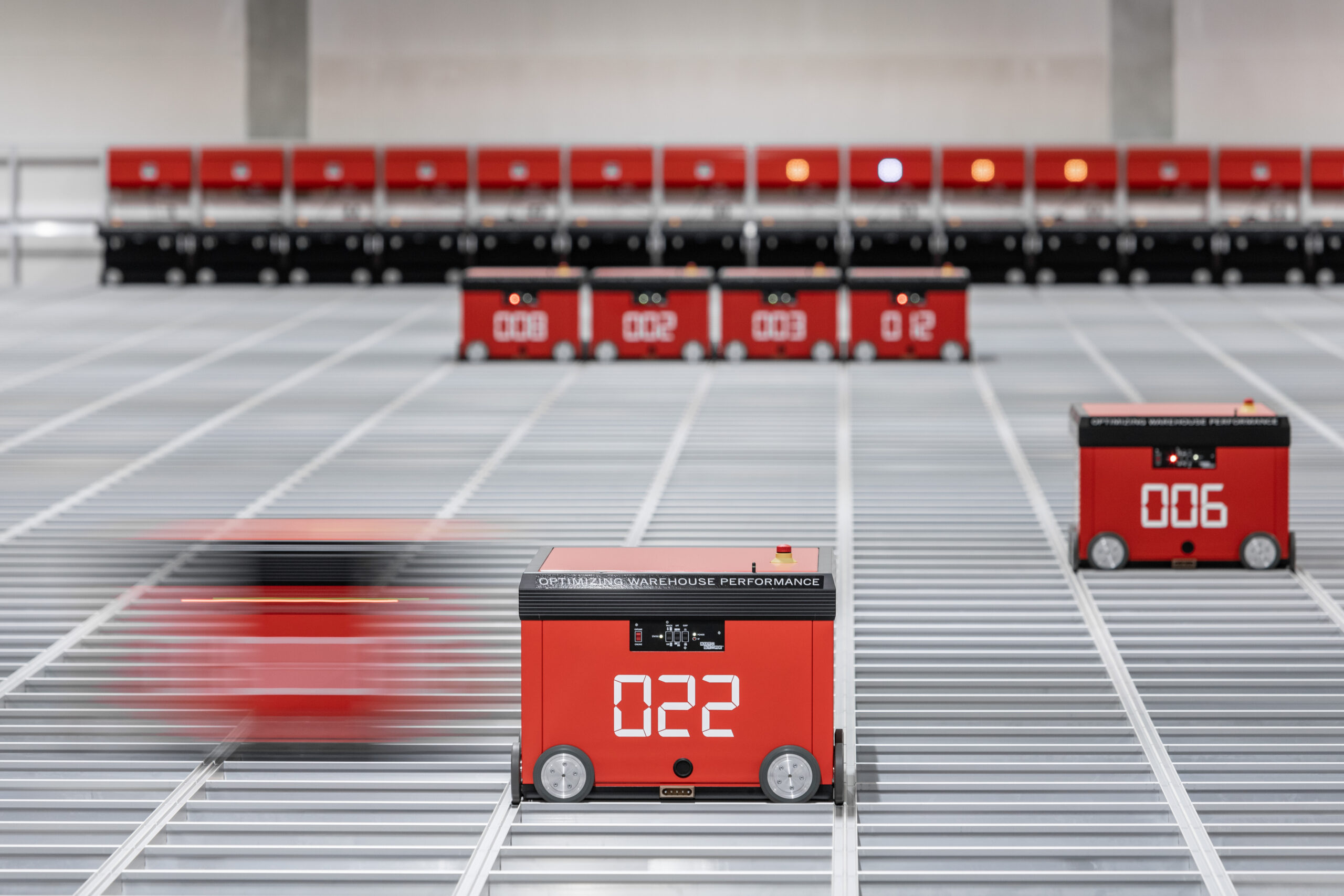
For food wholesalers and manufacturers, scalability can’t just mean “bigger.” It needs to mean “smarter.” AutoStore’s modular grid system embodies that idea, expanding not through new facilities, but simply adding more bins, robots, or ports as demand grows.
This dense automation model delivers a clear advantage for APAC markets, where every square metre counts. By maximizing vertical space and minimizing unnecessary movement, warehouses can scale operations without expanding their footprint which is a critical edge in cities like Singapore, Tokyo, and Hong Kong.
The Invisible Conductor: Software That Orchestrates the Flow
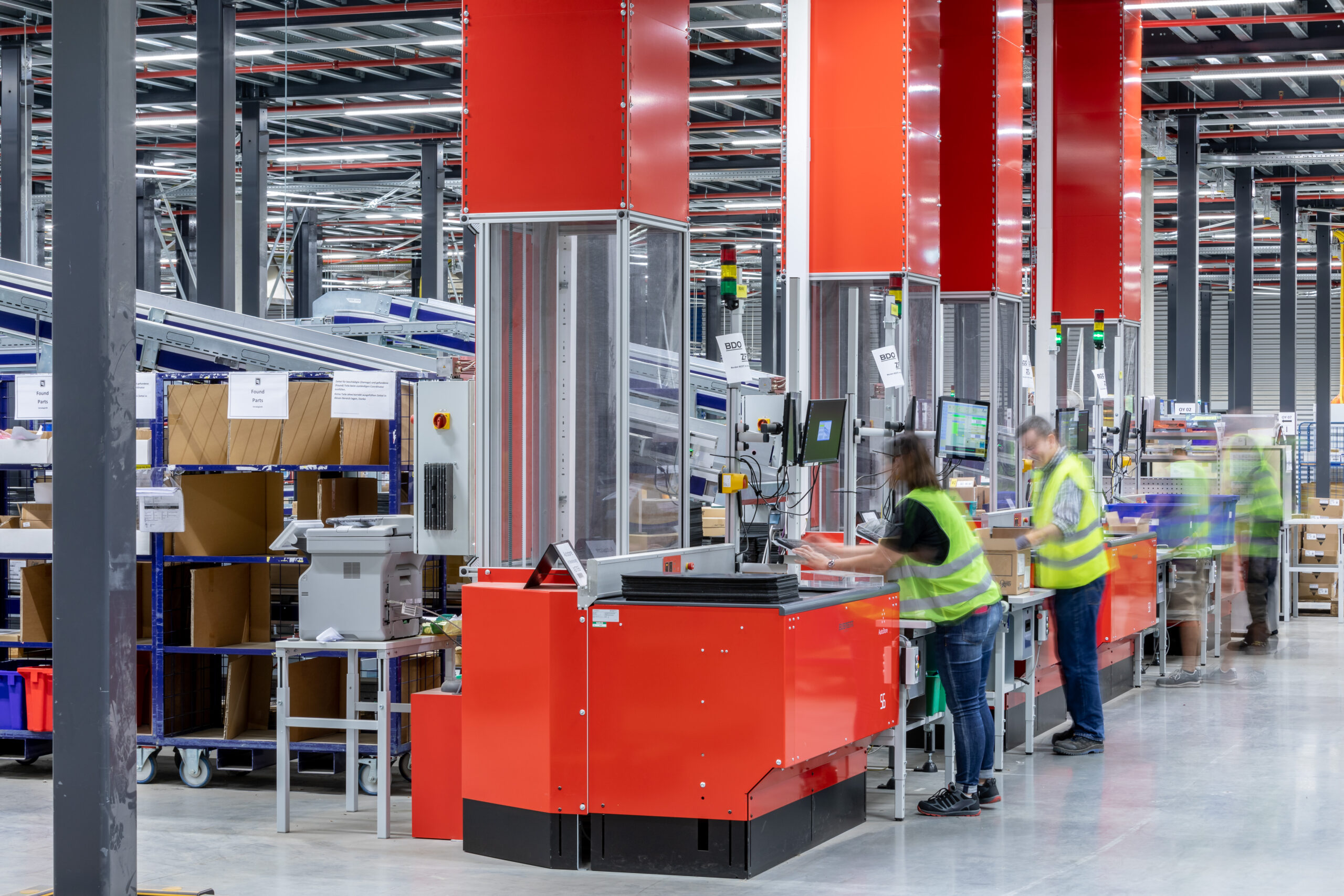
Hardware alone doesn’t create efficiency; orchestration does. The real magic lies in the software that governs the grid, coordinating orders, balancing workloads, and integrating seamlessly with warehouse management systems. For food businesses, this orchestration layer translates into tangible benefits: better SKU slotting for diverse inventory (dry, chilled, or packaged), fewer picking errors and spoilage incidents, and smoother onboarding for seasonal staff. The result? A system that adapts dynamically to both volume fluctuations and the sensitive nature of food logistics.
Automation in Action: Proven Success Stories
Across APAC and Europe, leading food companies are already reaping the rewards of automation. At SabiFood, the integration of AutoStore allowed the business to handle rising demand while improving both accuracy and space utilisation. The reliance on manual labour dropped dramatically, building resilience and freeing resources for growth.
Meanwhile, Knuspr, an online grocer, used AutoStore to uphold its three-hour delivery promise. The result: tripled picking efficiency and dense SKU handling, all within the same facility footprint.
What the Numbers Say: Real ROI for Food Businesses
Automation isn’t just about shiny robots; it’s about measurable impact.
Hard ROI comes from tangible gains: reduced warehouse footprint, deferred new facility costs, higher labour productivity, and improved inventory accuracy that cuts down shrinkage.
Soft ROI compounds the value: faster delivery to retail and foodservice partners, stronger compliance and traceability, and better ergonomics for workers. Together, these outcomes redefine operational resilience and profitability.
Timing Is Everything: Why You Shouldn’t Wait to Automate
Many businesses make the mistake of automating only after bottlenecks become unmanageable. But the smartest operators act early, when growth is still manageable and automation can absorb future spikes in volume. Waiting too long risks missed orders, service failures, and frustrated partners.
Turning Insight into Action: Tools to Quantify Your ROI
Every warehouse is different, which is why a data-driven model matters. Element Logic’s ROI tools use your actual inputs like order volumes, SKU diversity, warehouse size, and labour costs to generate a tailored forecast. The output is a clear picture of where your savings will come from: space, labour, accuracy, and service levels. It’s a blueprint for scalable success.
The Future on the Table: Feeding APAC Smarter
As APAC’s food supply chains grow more complex, success will depend on pairing hardware scalability with software intelligence. With AutoStore’s modular design and Element Logic’s expertise, food manufacturers and wholesalers can achieve higher throughput, lower unit costs, and more resilient operations, all without expanding their physical footprint.