How Food Warehouses in Singapore Can Reduce Waste and Improve Margins Under Pressure
Singapore’s Troubles with Food Storage
When a country is more than 90% dependent on food imports, having the right systems and processes in place to ensure food security becomes critical. Yet large-scale food storage in land-scarce, labour-limited Singapore is challenging to manage.
Strict food safety standards, temperature-sensitive products, short shelf lives, and fluctuating demands place immense pressure on warehouses to perform flawlessly every day.
In this environment, waste is not just a sustainability issue. It is a margin issue.
3 Pressures Food Warehouses Face
Strict food safety standards
Singapore Food Agency (SFA) regulations and ISO 22000 require rigorous hygiene practices, precise documentation, and tight process control. In addition, every product must be fully traceable end-to-end for recalls, quality checks, and compliance audits.
When documentation and tracking rely heavily on manual processes or disconnected systems, maintaining this level of consistency at scale becomes increasingly difficult.
Varying product shelf-life and storage conditions
Different products require warehouses to support multi-temperature storage environments.
Even slight deviations from required storage conditions or delays in delivery can lead directly to spoilage and unnecessary waste – as seen through the 13,000 tonnes of food waste generated in Singapore in 2022.
Unpredictable demand and supply needs
In a fast-paced environment, relying on workers to manually search for and pick products slows down the entire storage and fulfilment process. Human errors are inevitable, and during peak periods, these inefficiencies can significantly disrupt operations.
As order volumes grow, small delays add up into higher labour costs, slower turnaround times, and increased write-offs.
These challenges are not isolated — they combine with one another, slowly but surely resulting in increased operational costs.
The Automation That Leads To ROI Food Operators Actually Care About
Stock Optimisation and Flow Predictability
Without clear visibility of inventory movement, products stay in storage longer than they should. Picking routes become inefficient, and during peak periods, this lack of predictability causes delays that further impact shelf life.
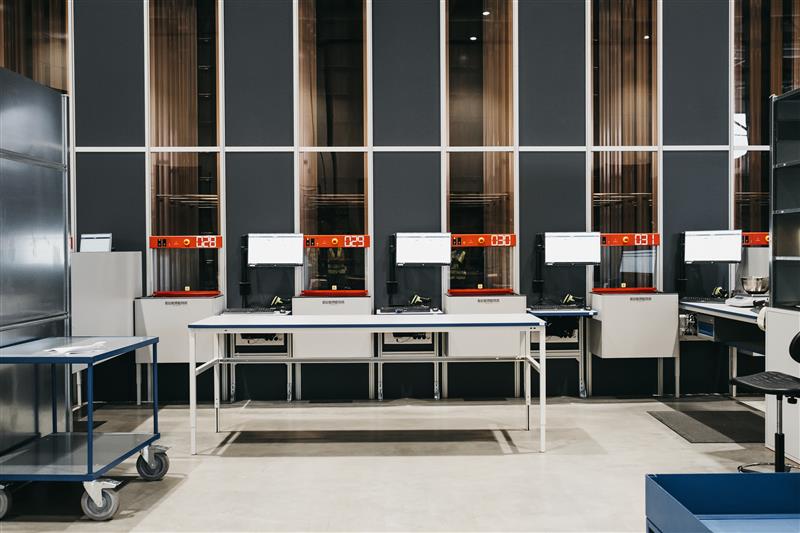
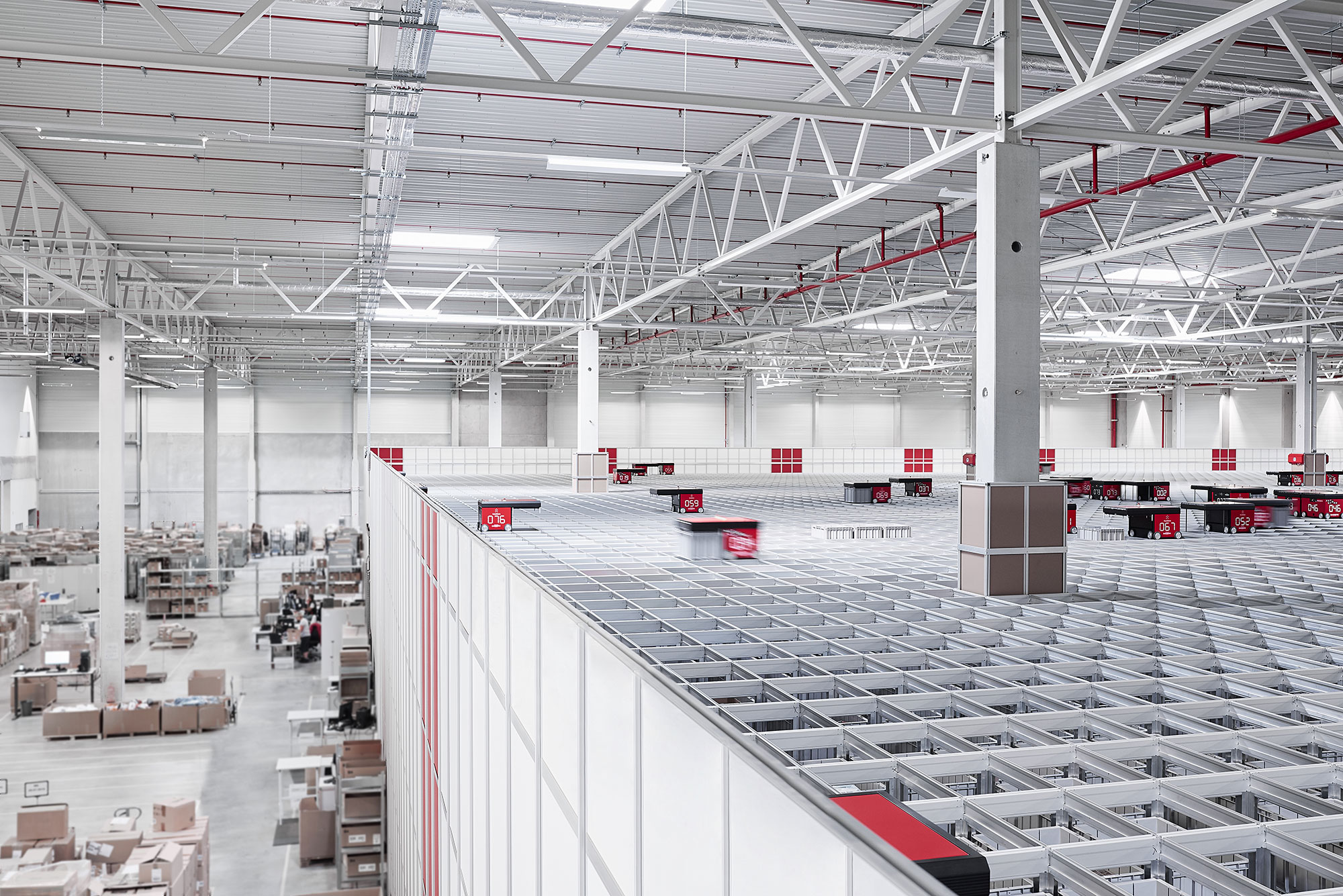
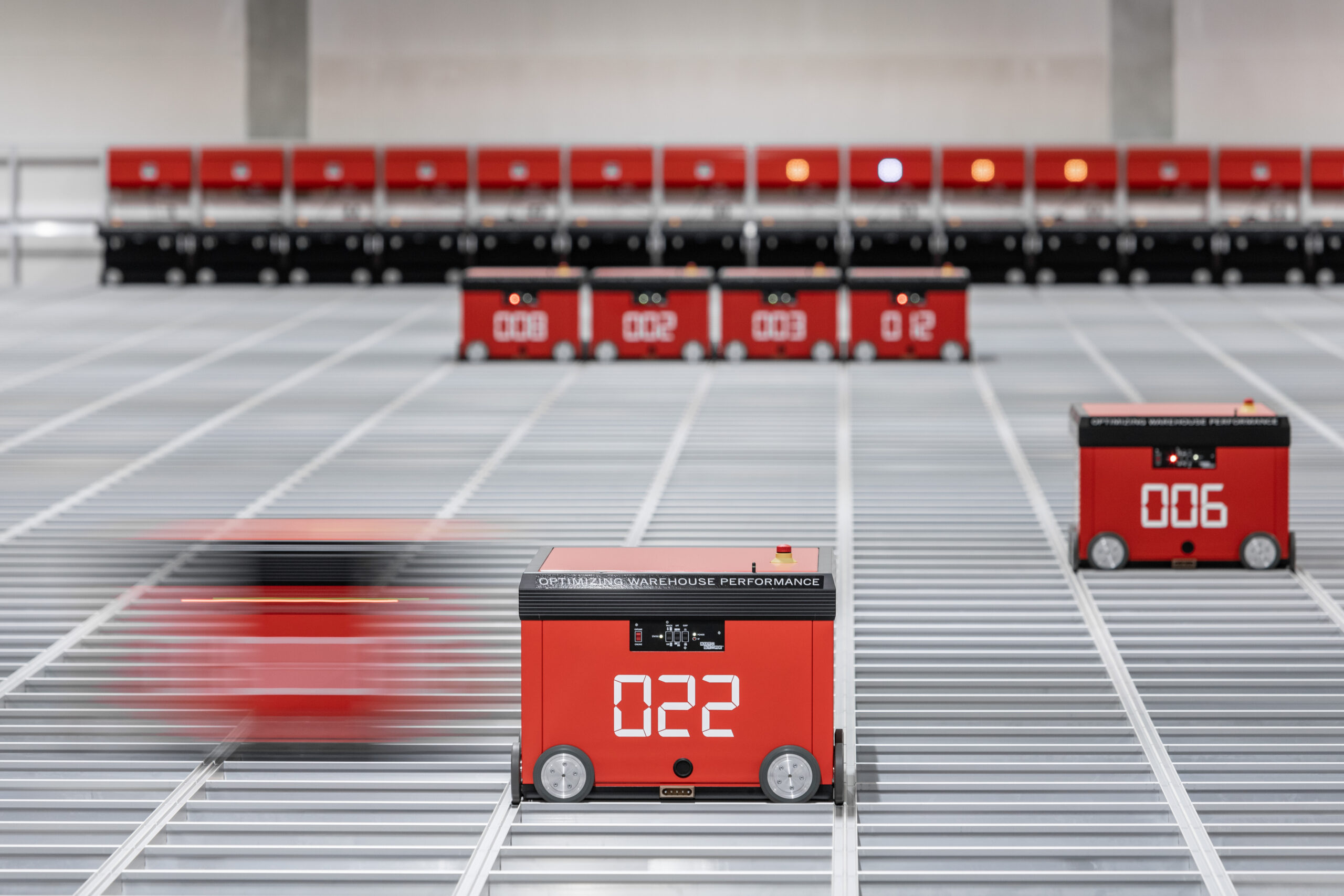
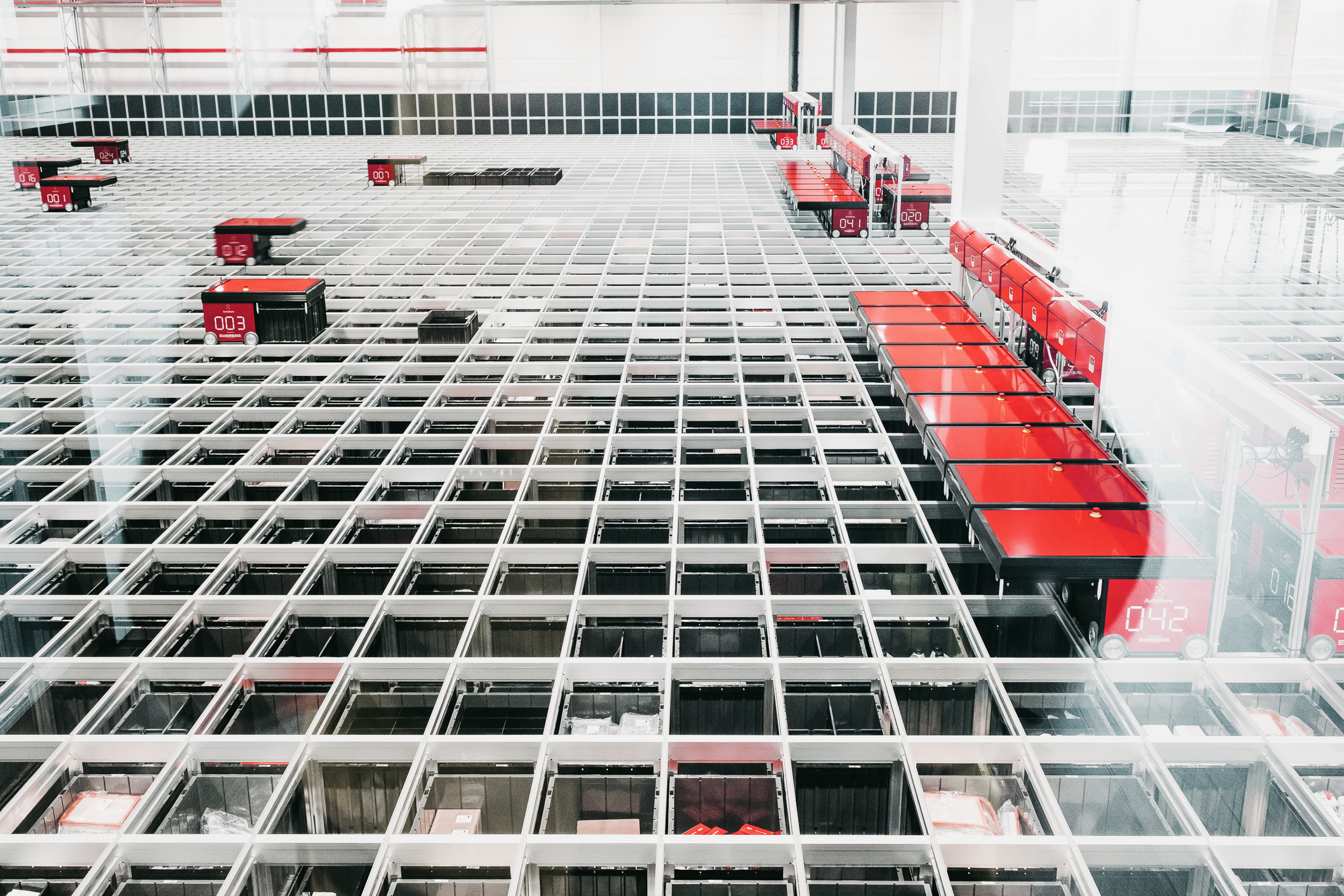
Element Logic’s solution? Intelligent storage design and automated retrieval systems that allow warehouses to optimise how stock is stored and accessed. In this case, AutoStore and ASRS reduce travel time, improve picking speed, and lesser waste created.
Systems Supporting Best Storage Practices
When warehouse processes are powered by integrated automation and intelligent control software, compliance becomes a core part of the workflow rather than an added manual responsibility. Digitalising these processes also mean that hygiene standards, documentation, and operational audit trials can be maintained consistently.
Here, Element Logic’s Warehouse Control System (WCS) and eManager interface work as the operational heart, coordinating precise movements and inventory control while seamlessly feeding barcode or RFID data into an existing Warehouse Management System for real-time traceability.
Following that, our Warehouse Intelligence Software, eLogiq, is able to optimise your storage space while providing insights to help uncover training needs and guide operators toward higher efficiency and output.
Reducing Inaccuracies Caused By Manual Handling
Manual searching, picking, and transporting of goods across large facilities is time-consuming and is prone to errors. When demand surges, this strain becomes even more visible.
Material handling solutions such as conveyors and autonomous vehicles reduce unnecessary movement, while robotic and automated picking systems improve accuracy and speed. Workers spend less time walking the floor and more time overseeing operations.
Significantly Reducing Operational Cost
All in all, a total warehouse automation lowers operational costs that are often overlooked in manual environments.
Labour optimisation becomes possible as repetitive, physically demanding tasks are automated, allowing skilled workers to focus on higher-value responsibilities and opening up new jobs to oversee operations instead – much like what is being done with British retailer Marks & Spencer.
Smart systems also optimise energy usage across multi-temperature zones, improving energy efficiency and lowering utility costs.
Smarter Design, Not Bigger Warehouses
Take Knuspr, for example. As a startup brand in the German market who offered a selection of over 12,000 globally-sourced products and a promise of delivery within three hours of a customer’s order, a total warehouse automation was exactly what they needed to scale feasibly.
By combining Element Logic’s dense storage, intelligent automation, and real-time software visibility solutions, they doubled productivity and tripled picking efficiency within the same footprint.
Singapore’s food warehouses face similar constraints. The opportunity lies not in expansion, but in smarter design.
A Future-Forward Solution For Singapore’s Food Warehouses
The most resilient food warehouses are not the largest — they are the most controlled.
And control is always the result of design, not reaction.
Understanding where waste, inefficiencies, and blind spots exist is the first step toward building a future-ready operation that protects both food quality and business margins.