How Singapore’s Pharma Warehouses Can Reduce Compliance Risk Without Increasing Costs
The Singapore Pharma Reality
Singapore’s pharmaceutical and life sciences sector is growing rapidly. As a regional hub for manufacturing, distribution, and research, its role has been strengthened immensely. This, however, means increased pressure on pharma warehouses.
In pharma logistics, maintaining compliance with GDP, GMP, HSA guidelines, and international standards is not optional. A single lapse can lead to spoilage, recalls, regulatory penalties, and reputational damage.
That said, the solution is less complicated than you might imagine.
Here, it’s about designing warehouses where compliance, traceability, and control are built into the system through integrated automation, robotics, and intelligent software.
5 Key Challenges in the Pharma Industry
Strict Regulatory Compliance: Pharma warehouses must adhere to a complex web of regulations, including GDP, GMP, HSA requirements, and global standards such as 21 CFR Part 11 and EU FMD. All require secure access controls, accurate documentation, and digital audit trails.
Temperature and Environmental Control: Vaccines, biologics, and other cold-chain products require tightly controlled environments. A single temperature deviation can render inventory unusable, resulting in significant financial loss and potential patient safety risks.
Batch and Lot Traceability: In the event of a recall or audit, warehouses must be able to trace every product instantly by batch and lot.
Complex Order Fulfilment: Pharma orders often include a mix of cold-chain items, controlled substances, and dangerous goods.
Counterfeit Medicines: Warehouses play a critical role in ensuring products are authenticated, tracked, and verified throughout their journey within the facility.
So, traditional methods like manual record-keeping, tracking, picking, and verification processes can clearly no longer keep up with the pharma industry’s growing demands. The question is, what can?
The answer? A fully integrated warehouse, one that involves automation, software, and robotics.
How a Total Warehouse Solution Solves These Challenges
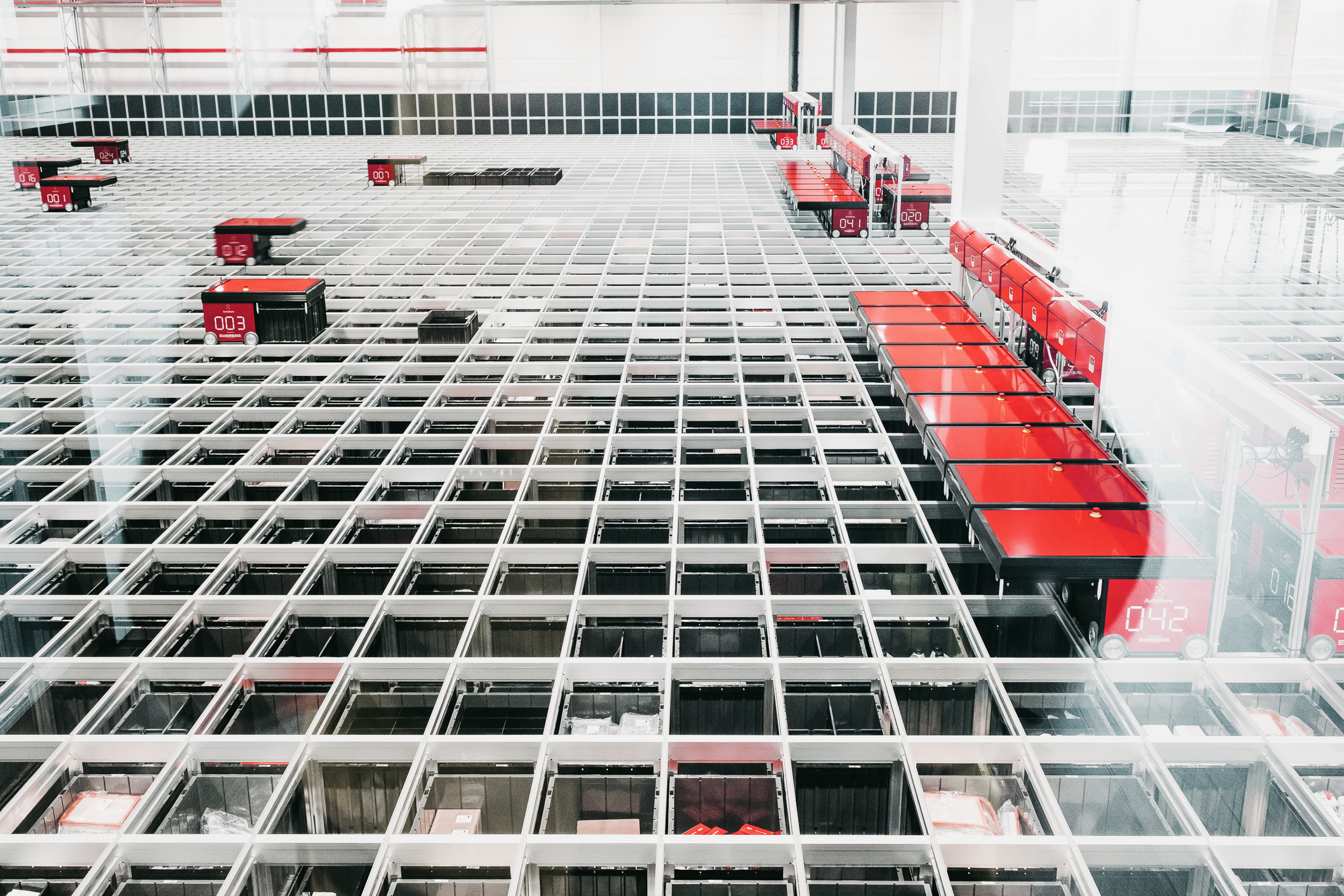
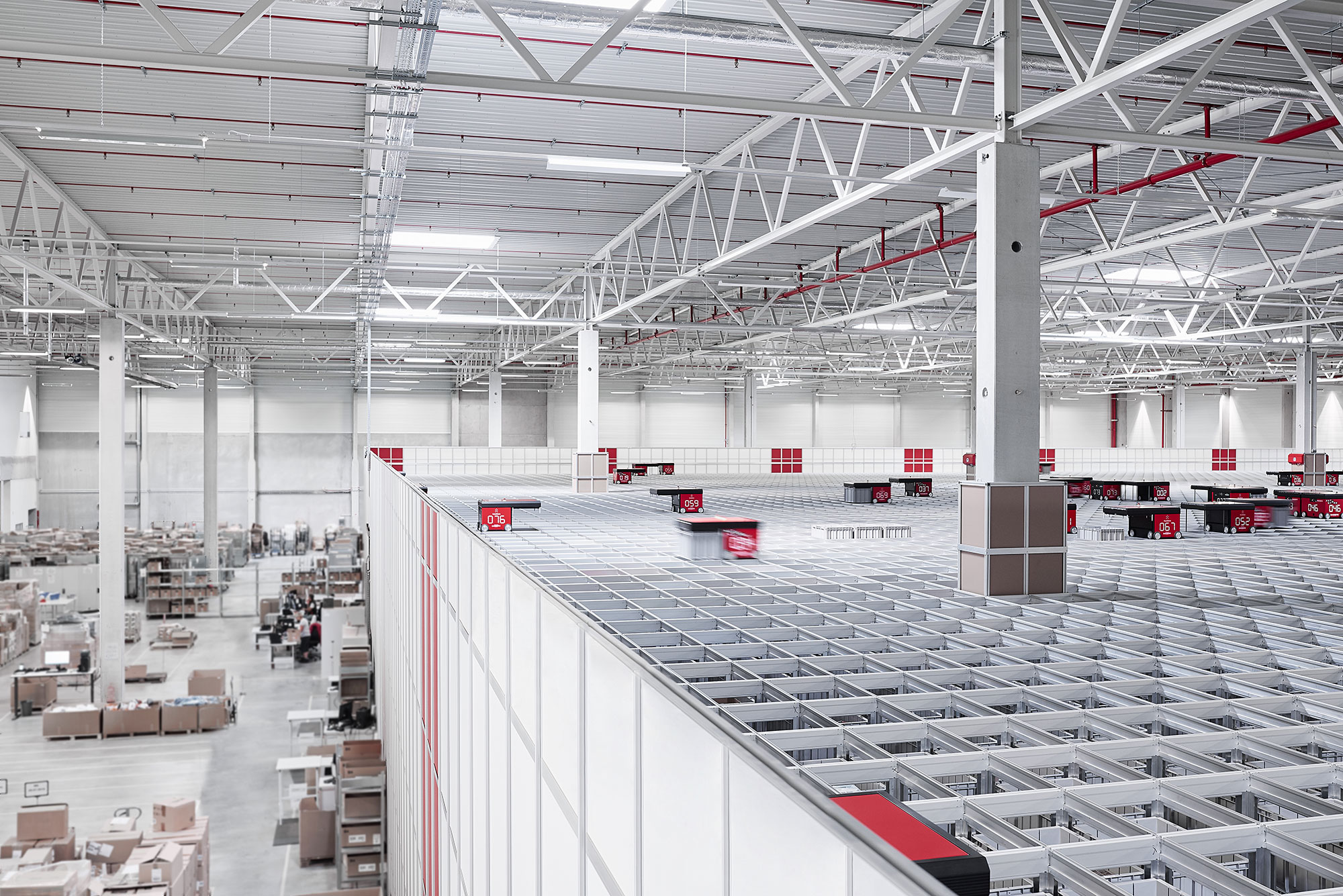
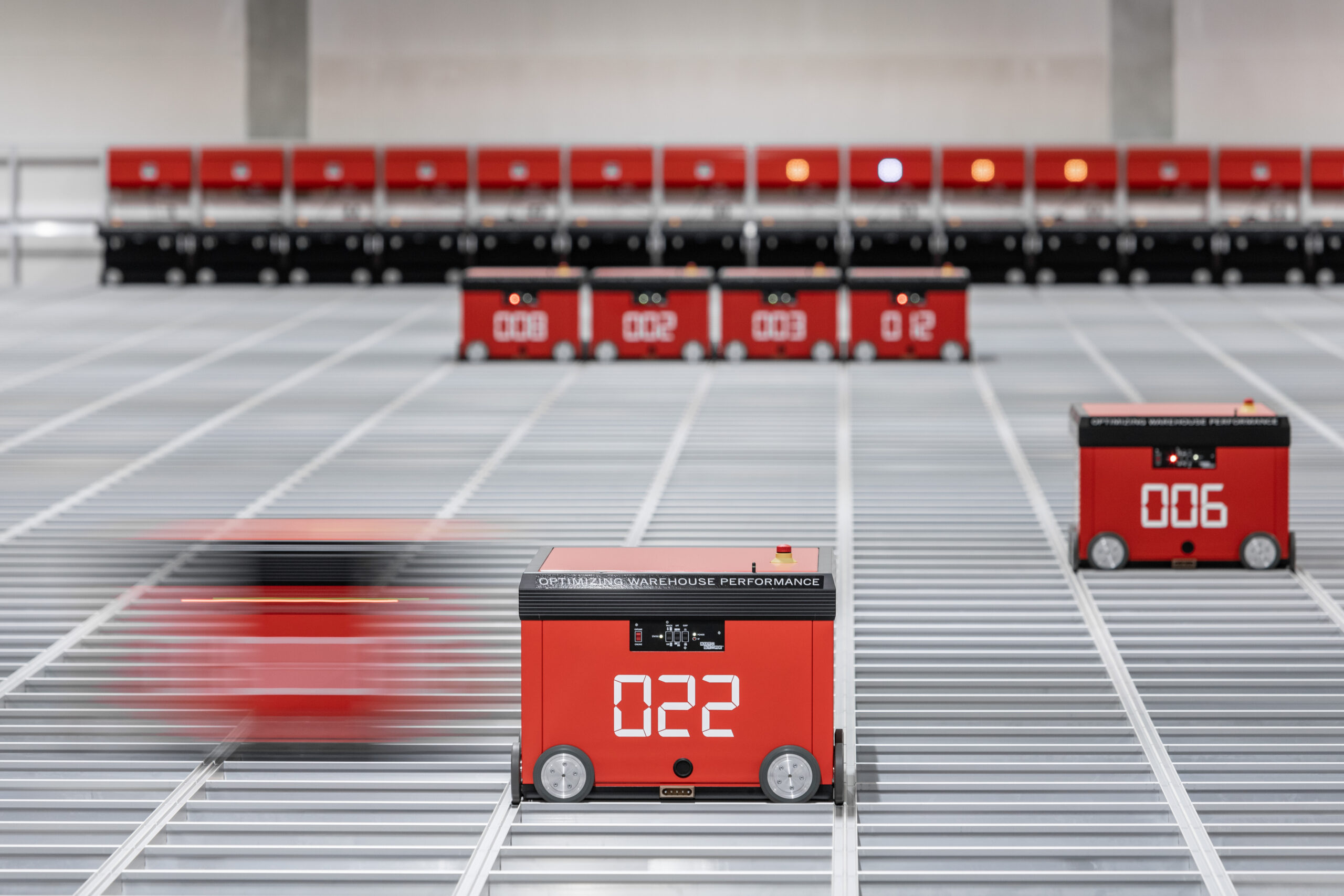
Automated Storage and Retrieval (AutoStore / ASRS)
Ultra-dense storage maximises space while significantly reducing manual handling errors. Fast, precise retrieval ensures accurate and timely fulfilment, critical for regulated pharma products.
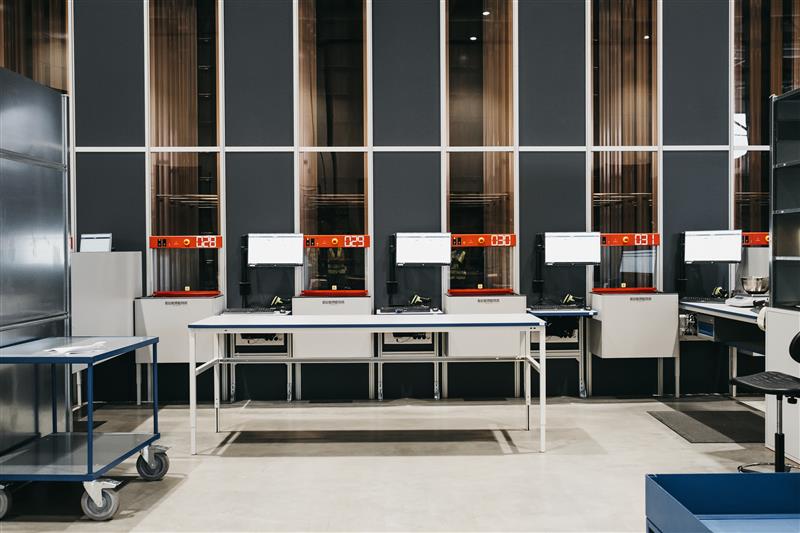
Robotic Piece Picking (eOperator)
Robotic picking enables 24/7 autonomous operation, reducing human error and labour dependency. It can safely handle sensitive, cold-chain, or controlled products with consistent accuracy.
Warehouse Intelligence Software (eLogiq)
Real-time monitoring and predictive analytics provide full visibility into your warehouse performance. eLogiq identifies bottlenecks and optimisation opportunities before they impact throughput.
Warehouse Control System (eManager)
These systems connect storage, picking, conveyors, and shipping into one coordinated flow. eManager can be easily and swiftly implemented promptly with your existing warehouse management system (WMS), allowing you to facilitate high-accuracy handling.
End-to-End Services
Consulting, design, implementation, and lifecycle support ensure that systems are built correctly from the start and continue performing over time. Training, maintenance, and managed services safeguard uptime and ROI long after deployment.
The ROI Pharma Leaders Actually Care About
For pharma operators, ROI is less about speed or labour savings and more about:
Reduced compliance risk through fewer manual errors and secure handling of regulated products.
Audit readiness with digital audit trails, reporting, and validation available anytime.
Operational predictability through real-time visibility and predictive alerts.
Lower dependency on manual intervention, reducing human error and labour costs.
Faster response to demand changes enabled by scalable automation and data-driven decision-making.
Proof in Practice: Apotea’s Automated Pharma Fulfilment
In Sweden, Apotea — the country’s leading online pharmacy — processes approximately 50,000 orders per day while maintaining strict compliance and traceability standards.
By integrating Element Logic’s AutoStore with eOperator and eLogiq, Apotea achieved faster and more accurate order fulfilment while maintaining full visibility across inventory, batches, and environmental conditions. Labour and operational risks were significantly reduced, and cold- chain integrity was consistently maintained.
The key takeaway is clear: scalable, automated solutions already exist that enable pharma warehouses of all sizes to improve compliance while controlling costs.
Why Singapore Pharma Warehouses Need a Total Offering Partner
Pharma operators in Singapore face a combination of limited space, rising labour costs, regulatory scrutiny, and increasing demand. Addressing these challenges with piecemeal automation or standalone software solutions often creates more silos rather than eliminating them.
Instead, seek an integrated ecosystem where consulting, automation, software, robotics, and ongoing support work together toward the same outcomes: compliance, traceability, efficiency, and cost control.
This is where Element Logic’s Total Offering approach becomes critical, ensuring that every component of the warehouse is designed to work harmoniously and efficiently.
Designing for Control, Not Reaction
The most resilient pharma warehouses are not the most complex — they are the most controlled. And control is always the result of design, not reaction.
Understanding where risks and blind spots exist is the first step toward building a compliant, future-ready operation.