Why Warehouse Performance Will Define Competitive Advantage in Singapore in 2026
The Singapore Reality: Where Constraints Shape Strategy
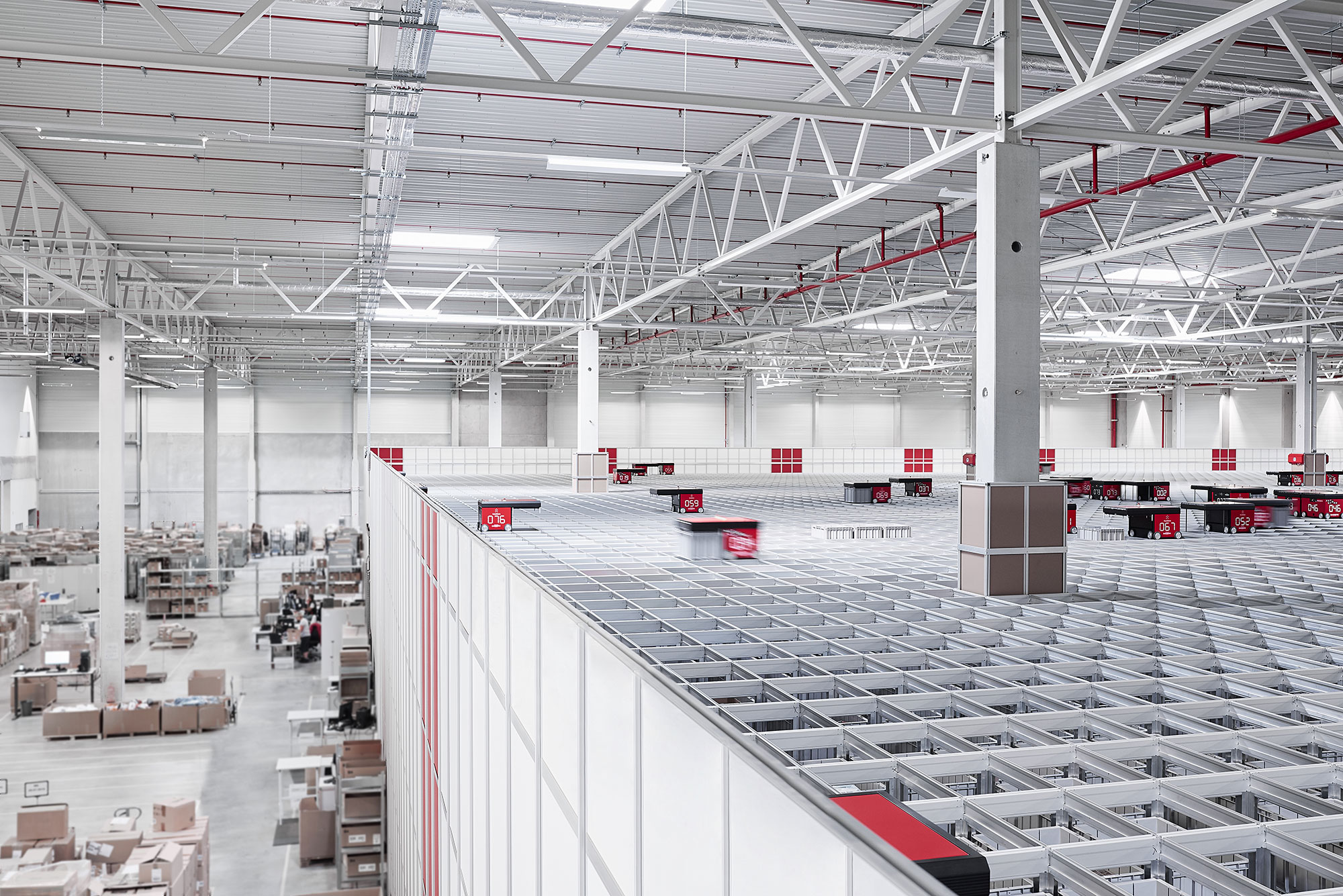
Warehousing in Singapore operates under a unique set of pressures. Scarce land and tight labour leads to higher cost, all while service expectations continue to rise. On top of that, facilities here don’t just serve local demand – they act as regional fulfilment hubs for Southeast Asia too.
This is how the challenge arises: warehouses can no longer scale by expanding space or adding headcount. These traditional levers of growth are no longer viable.
Now, the question is no longer “How do we run operations?” but “How well are those operations performing under constraint?”
Why “Operations” Thinking Is No Longer Enough
There remains an inherently reactive operational mindset over warehouse management.
Teams firefight daily issues as they appear. Systems operate in silos, with WMS, automation controls, spreadsheets, and manual reporting disconnected from one another. Visibility is often delayed, and decisions are made only after service levels are affected.
By the time a bottleneck is discovered, an SLA may already be missed. By the time downtime is addressed, productivity has already dipped. By the time data is reviewed, the problem has passed.
This is the cost of managing operations instead of managing performance.
Defining Warehouse Performance in 2026
It is no longer sufficient to judge a warehouse’s performance based solely on cost and speed. Four new factors now define what high performance looks like.
The first is throughput predictability — consistent, reliable output that does not fluctuate wildly during peak periods. The second is uptime and resilience — systems and processes designed to minimise disruption and recover quickly when issues arise. Third is space and labour efficiency — maximising every square metre and every worker’s productivity without increasing either. Finally, data-driven decision-making provides real-time visibility, allowing managers to act before problems escalate.
These pillars apply across the entire warehouse journey: inbound, storage, picking, outbound, and returns. Weakness at any stage ultimately affects overall performance.
The Shift to an Integrated Warehouse Ecosystem
Achieving these performance outcomes requires more than standalone automation or a capable WMS. It requires an integrated ecosystem.
Automation optimises the physical flow of goods. Warehouse Intelligence Software provides the visibility and foresight to manage that flow. Ongoing services ensure systems continue to deliver uptime and measurable ROI over time.
This is where solutions like eLogiq come into play, connecting data across systems, people, and automation to give decision-makers a clear, real-time view of performance across the warehouse.
The result? Better reporting and better control.
Why This Matters Now
The volatile nature of these demand patterns are here to stay. Labour challenges are unlikely to ease. At the same time, data-driven operations are quickly becoming table stakes rather than a differentiator.
CFOs are also asking tougher questions. Investments in automation and software are no longer judged by potential, but by measurable outcomes in productivity, space savings, and service performance.
Warehouses that cannot demonstrate performance will struggle to justify further investment or support business growth.
From Investment to Outcome
This shift in thinking is reflected in how warehouse solutions are designed and delivered.
An ROI-first approach through design and consulting ensures that performance outcomes are defined before technology is implemented. Modular and scalable systems allow warehouses to grow without large upfront risk. Models such as Automation as a Service reduce capital barriers and accelerate time to value. Ongoing Customer Success and Managed Services ensure that performance is sustained long after go-live.
The focus moves from deploying technology to delivering measurable results.
Looking Ahead: Performance as the True Benchmark
The real question for 2026 isn’t whether your warehouse is automated — it’s whether it’s performing at the level your business now demands.
Understanding your current performance baseline is the first step toward improvement.