Barking up the right tree. Fixing pet care’s fulfilment challenges
We’re a nation of pet lovers, and pet ownership is at an all-time high. As the number of pets and the amount we spend on them continues to grow, so too has the range, variety and complexity of products available to pet owners. For pet care warehouses, this presents a significant operational challenge, particularly where facilities and processes were not designed to handle today’s levels of volume and product variety.
There are several recent trends in pet care that have influenced fulfilment, including:
- Premiumisation of food, treats, supplements and grooming products, increasingly available in a multitude of sizes, flavours and formats, tailored to breed, size, age and life stage.
- Subscription boxes and personalised pet products are creating more frequent, fragmented orders.
- Delivery expectations for next-day and even same-day fulfilment are becoming increasingly important to consumers.
- Requirements for freshness, temperature control and traceability place additional demands on storage and fulfilment operations.
The result is a perfect storm of operational pressure points. For warehouse leaders, the challenge is how to increase capacity, maintain accuracy and efficiency, and keep pace with changing customer expectations. All without allowing complexity to become a beast of its own.
Automation helps warehouses increase efficiency and build the flexibility needed to meet these demands.
1. Picking the right products
With the growing demand for raw, natural, organic and minimally processed pet food, warehouses need to ensure the right products are picked first, using FIFO (first in, first out) and, where expiry dates are the priority, FEFO (first expired, first out) principles to minimise waste and prevent products from becoming unsaleable.
2. Tracking stock
Pet food businesses need to know exactly when and where products have been received, stored and dispatched, so they can quickly identify affected stock in the event of a quality issue or product recall.
Solutions such as eManager enforces FIFO/FEFO automatically and tracks batch/lot data at bin level. Reducing waste and a recall response takes minutes, rather than an extensive manual stock check procedure limiting resources to process shipped goods.
3. Temperature gauge
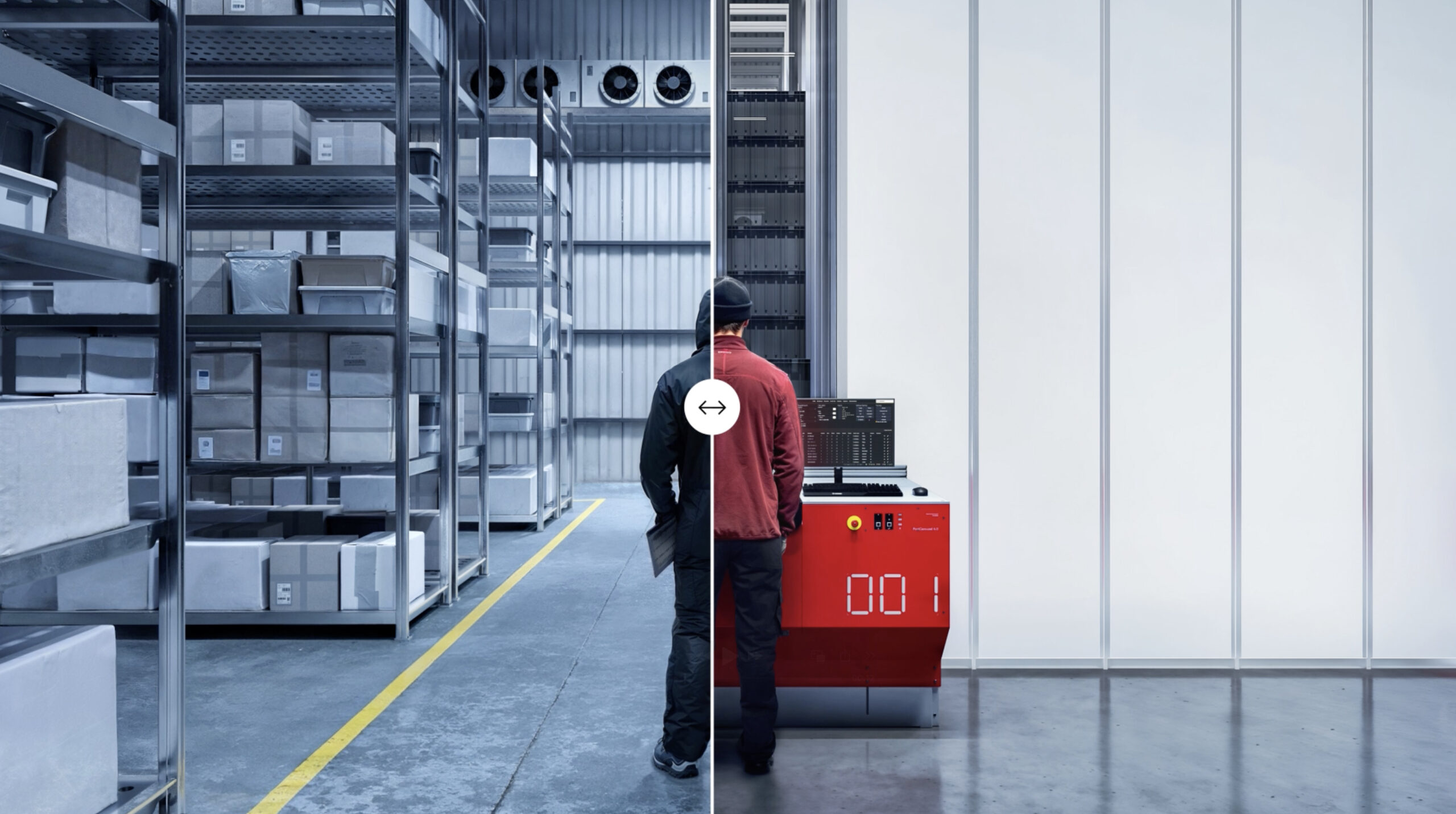
The growing demand for raw food, probiotics and certain veterinary and medical products has introduced new temperature-control requirements into pet care warehousing, which need to be stored, managed and picked alongside ambient product lines.
Element Logic’s AutoStore and ASRS solutions can run temperature-segregated zones within the same footprint, so chilled and ambient SKUs sit in one system rather than two separate operations. This makes better use of available storage capacity, intelligently managing inventory by storage requirement and reducing unnecessary movement and manual handling.
4. Product sizing
Pet care products come in an unusually wide range of shapes, sizes and weights. A 20kg bag of kibble may sit alongside lightweight treats and accessories, while large scratching posts, crates, beds, cat trees and other bulky items can be difficult to store, handle and transport using standard warehouse infrastructure.
Automation, intelligent storage systems and appropriate material-handling solutions can help warehouses accommodate this product diversity and make better use of available space.
5. Product complexity
The sheer variety of pet care products creates a significant accuracy challenge for warehouse teams. Pet food, treats and supplements can have multiple variants that look almost identical with the same brand and packaging, but different flavours, ingredients, pack sizes, life stages or dietary requirements. The consequences of a picking error can go beyond the cost of a return; customers may be feeding a specific diet for health, allergy or nutritional reasons.
Automated storage and retrieval, barcode scanning and intelligent warehouse software can help mitigate picking errors, ensuring operators are directed to the correct SKU and providing additional checks, such as pick to light, before an order leaves the warehouse.
6. Customer complexity
Pet care businesses are increasingly operating across multiple sales channels, with the same warehouse expected to serve very different customer profiles. A single facility might be picking individual D2C orders for consumers; fulfilling larger wholesale orders and assembling recurring subscription boxes, all from the same inventory pool.
Automation can help bring these competing demands together, intelligently allocating inventory, sequencing work and batching orders through the most appropriate fulfilment process. This allows businesses to support multiple channels from a single operation while maintaining the speed, accuracy and flexibility that each customer expects.
The challenges for pet care warehouses are significant, with many operational pressure points to overcome. Automation provides a solution for warehouse leaders to increase capacity, maintain accuracy and efficiency, while keeping pace with increasing customer expectations.
Find out more about Element Logic’s pet care warehouse automation solutions.