Intelligent Automation in Warehousing: The Next Generation of Automated Storage Solutions
Warehousing is changing. Order volumes continue to rise, customer expectations for speed and accuracy increase, and available warehouse space becomes more expensive every year. At the same time, many operations struggle with labor availability and manual processes that limit scalability.
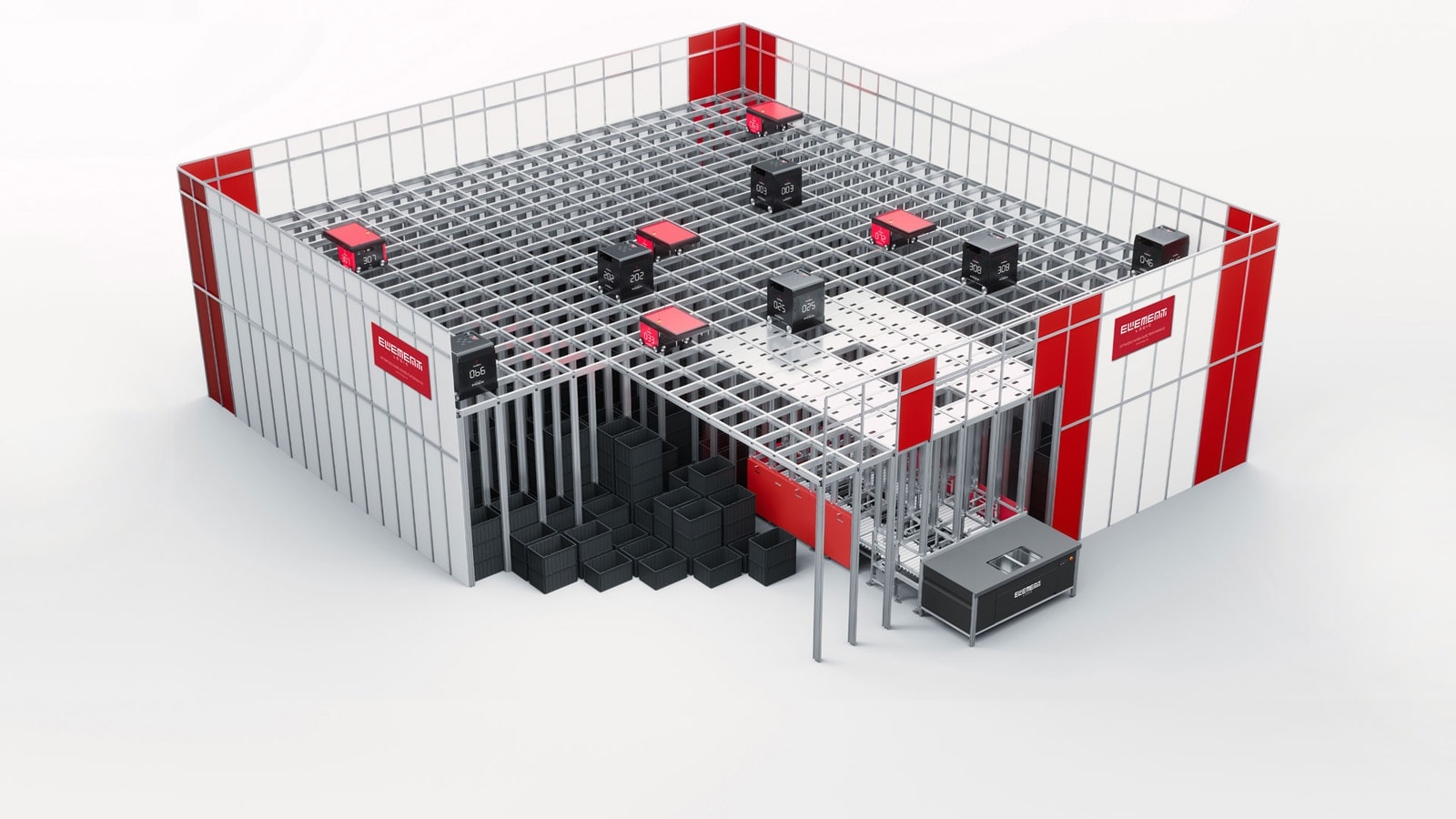
Automated storage solutions address these challenges by changing how inventory is stored, accessed, and managed. Rather than relying on manual handling and static shelving, automation combines high-density storage, robotics, and software to create a more controlled and predictable warehouse environment. This shift is not about technology for its own sake. It is about enabling warehouses to operate more efficiently, with better use of space, improved accuracy, and workflows that support long-term growth.
What Is Automated Storage?
Automated storage refers to systems that store and retrieve goods with minimal manual intervention. These systems are commonly grouped under the term Automated Storage and Retrieval Systems (AS/RS).
An AS/RS typically consists of:
- A structured storage solution, such as a grid, shelving system, or vertical module
- Automated equipment that moves inventory, including robots, shuttles, or lifts
- Software that controls inventory placement, retrieval, and prioritization
Together, these components enable inventory to be stored densely and retrieved quickly, without operators walking long distances through aisles.
Automated storage is used across many environments, including e-commerce fulfillment, spare parts distribution, retail, pharmaceuticals, and industrial supply chains.
Automated Shelving Systems and High-Density Storage
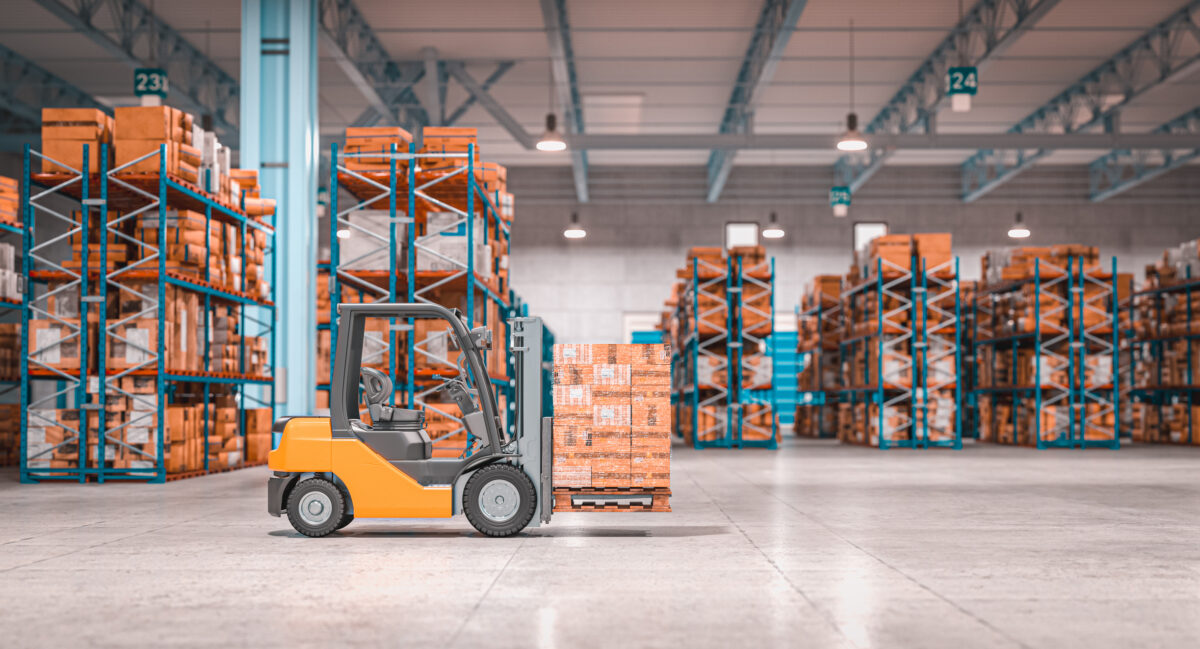
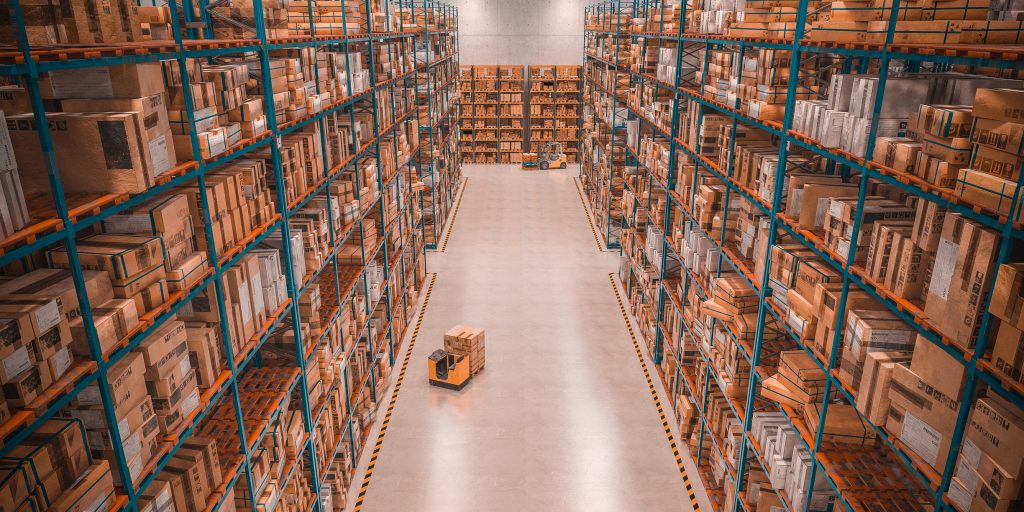
Traditional shelving is limited by human access. Aisles must be wide enough for people or forklifts, and vertical space often remains unused. Automated shelving systems remove many of these constraints.
By allowing robots or lifts to access inventory, automated systems can:
- Reduce aisle space
- Use vertical height more effectively
- Store more inventory within the same footprint
This high-density approach is especially valuable in urban locations or regions where warehouse expansion is difficult or costly.
Grid-based systems, vertical lift modules, and shuttle solutions all apply this principle in different ways. The right choice depends on product characteristics, order profiles, and throughput requirements.
Automated Inventory Management in Practice
Storage automation is closely linked to automated inventory management. When inventory movements are controlled by software rather than manual processes, visibility and accuracy improve significantly.
Automated inventory management systems:
- Track every item location in real time
- Reduce dependency on manual counting
- Improve stock accuracy and availability
- Support better planning and replenishment decisions
This level of control is essential for warehouses with high SKU counts or fast-moving inventory. It also reduces the risk of stock discrepancies that lead to delays, errors, or customer dissatisfaction.
For many operations, inventory accuracy is one of the most immediate benefits of automation.
From Manual Picking to Goods-to-Person
One of the most visible changes introduced by AS/RS is the move from manual picking to goods-to-person workflows.
In traditional warehouses, operators walk through aisles to locate items. This consumes time, creates variability, and places physical strain on the workforce. Goods-to-person systems reverse this logic. Automated equipment retrieves the required inventory and delivers it directly to a workstation.
The benefits include:
- Reduced walking and lifting
- More consistent picking performance
- Improved ergonomics and safety
- Higher picking accuracy
Operators remain at a fixed station and focus on picking and packing, while automation handles transport and storage.
Get in touch with Element Logic today
Warehouse Automation as a Scalable Strategy
Warehouse automation is often introduced to solve an immediate challenge, such as capacity constraints or labor shortages. Over time, its value becomes more strategic.
A well-designed automated storage solution allows warehouses to:
- Scale throughput without proportional labor increases
- Handle seasonal peaks more predictably
- Add capacity without expanding the building footprint
Scalability is particularly important for growing businesses. Automation creates a stable operational foundation that supports future growth without repeated redesigns of warehouse processes.
Different Types of AS/RS Solutions
There is no single automated storage solution that fits every warehouse. AS/RS technologies vary in design, capacity, and application.
Grid-based robotic systems
These systems use compact grids where robots retrieve bins from above. They are known for high storage density and strong performance per square meter.
Shuttle-based systems
Shuttles operate on multiple levels to retrieve totes or cartons. They offer high throughput and are well suited for larger warehouses with predictable order flows.
Vertical lift modules
Vertical systems store trays in tall enclosures and deliver them to workstations. They are often used in spare parts storage or environments with limited floor space.
Selecting the right solution requires a clear understanding of current operations and future requirements.
The Role of Software in Automated Storage
Automation hardware alone does not create an efficient warehouse. Software plays a central role in coordinating movements, managing priorities, and adapting workflows.
Warehouse software:
- Determines where inventory is stored
- Decides which orders are processed first
- Balances workloads across workstations
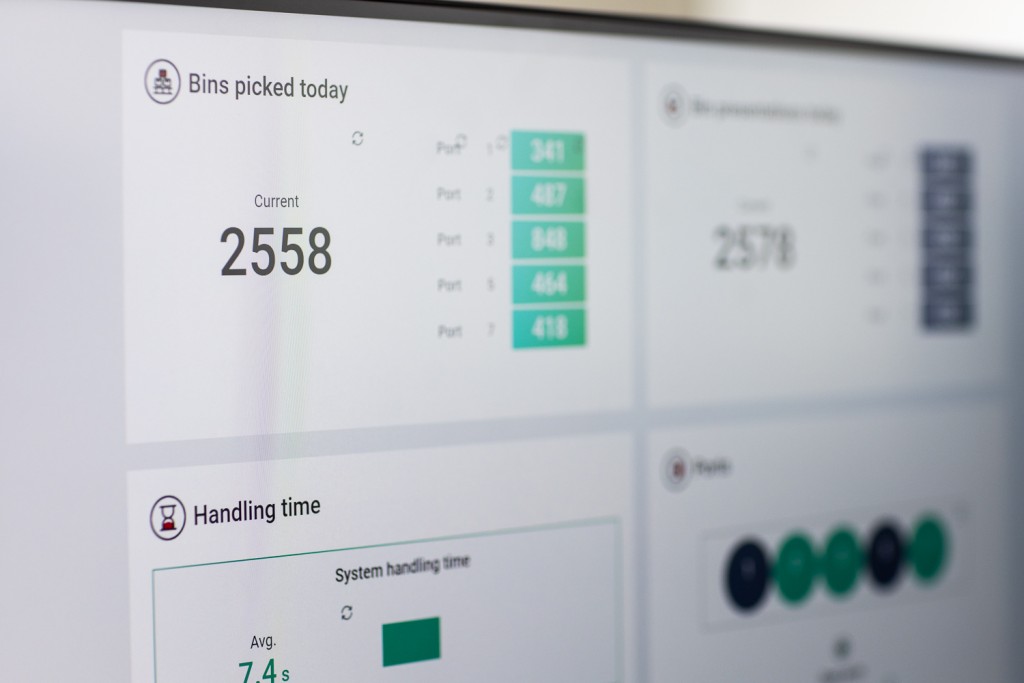
- Provides operational visibility and data
By integrating automation with warehouse management and execution systems, operations gain greater control and flexibility.
At Element Logic, software is used to enhance standard automation technologies and create intelligent, end-to-end warehouse workflows.
Real-World Applications: From Storerooms to High-Volume Fulfillment
Automated storage is not limited to large fulfillment centers. Storeroom automated storage and retrieval systems are increasingly used in manufacturing, healthcare, and technical environments.
In smaller storerooms, automation helps:
- Reduce time spent searching for parts
- Improve inventory accuracy
- Secure high-value items
In large fulfillment environments, AS/RS supports:
- High order volumes
- Short delivery windows
- Complex product assortments
Even in innovation-driven regions such as Silicon Valley, where space and labor costs are high, automated storage systems are used to create efficient, compact warehouse operations.
Benefits That Extend Beyond Efficiency
While efficiency is a primary driver, automated storage also affects other aspects of warehouse operations.
Work environment
Automation reduces repetitive manual tasks and physical strain, contributing to safer and more sustainable workplaces.
Reliability
Automated systems operate consistently across shifts, reducing performance variability.
Accuracy
System-controlled inventory movements lower the risk of picking and replenishment errors.
These factors support long-term operational stability, not just short-term gains.
Looking Ahead: The Future of Automated Storage
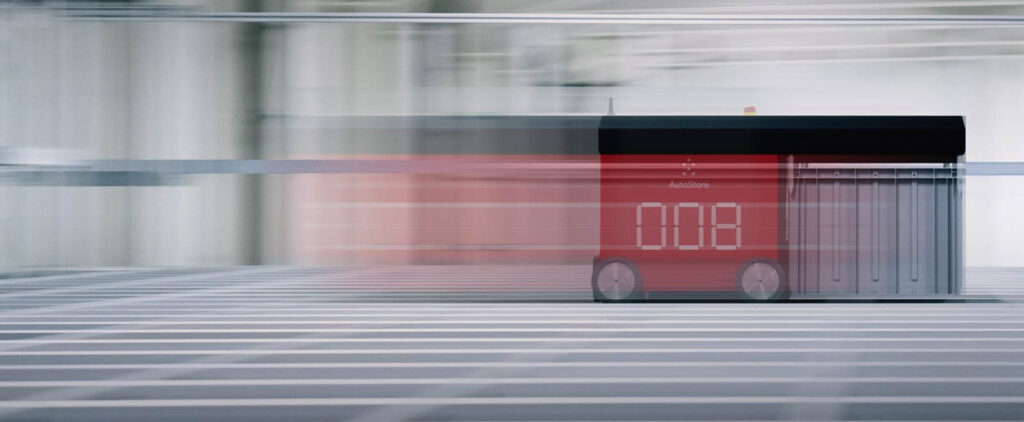
Automated storage solutions continue to evolve. Increased use of data, analytics, and adaptive software allows systems to respond more dynamically to changing demand.
Future developments focus on:
- Smarter inventory positioning
- Improved system integration
- Greater flexibility within automated environments
Rather than replacing people, automation increasingly supports collaboration between humans, robots, and software.
Automation as Part of the Bigger Picture
Automated storage is most effective when it is designed as part of a complete warehouse strategy. Storage, picking, replenishment, and shipping must work together as a single flow.
Element Logic approaches automation with this holistic perspective. By combining proven technologies, software, and deep operational expertise, warehouses can improve performance while remaining adaptable to future change.