Element Logic Connects Goods Receiving and Production at Hitachi Energy with AutoStore

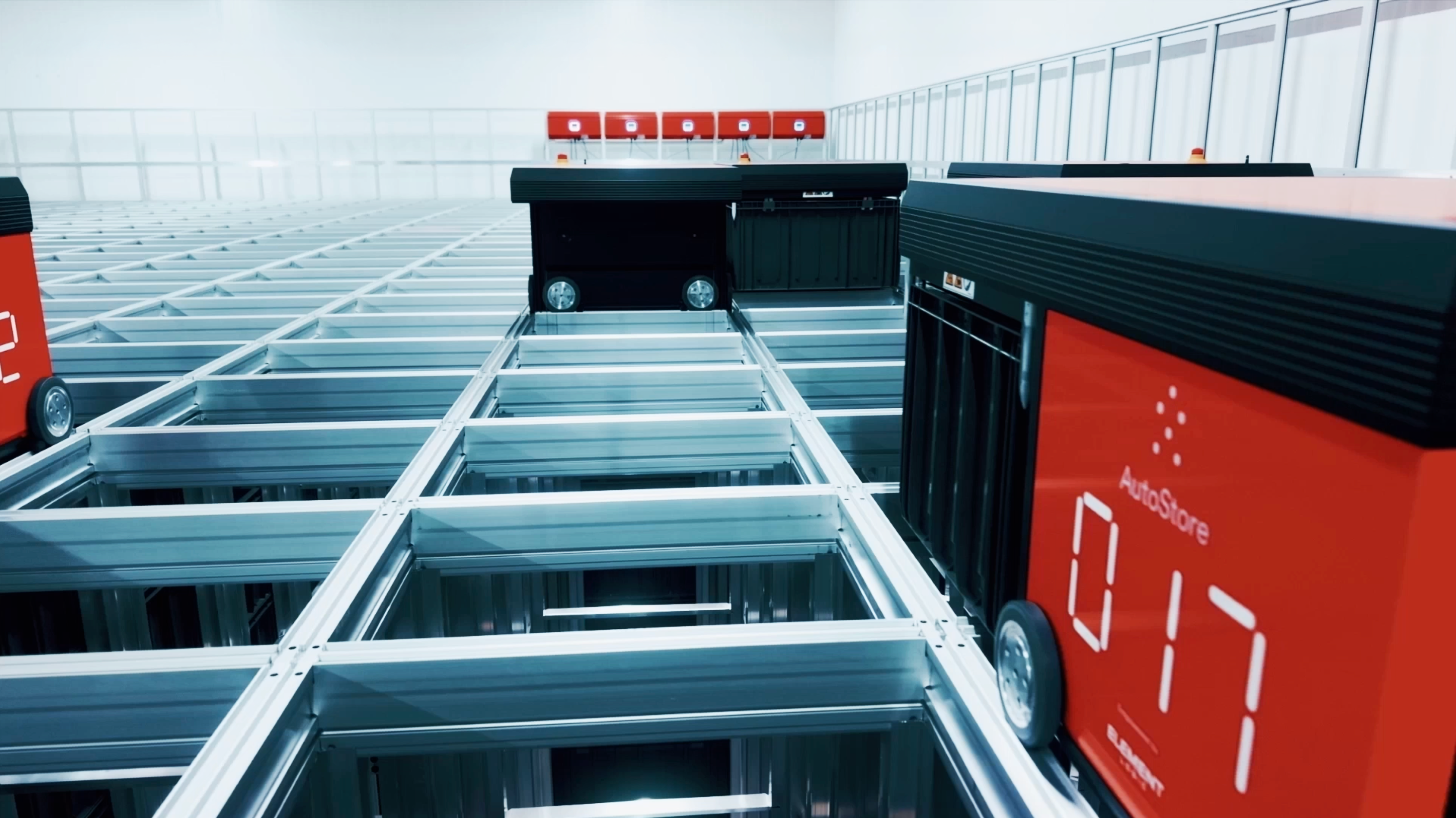
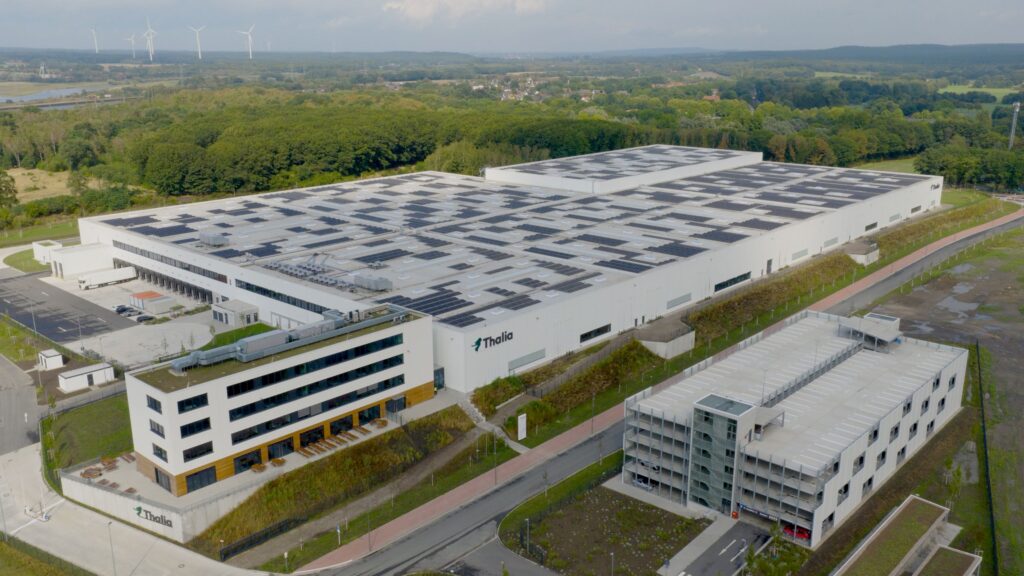
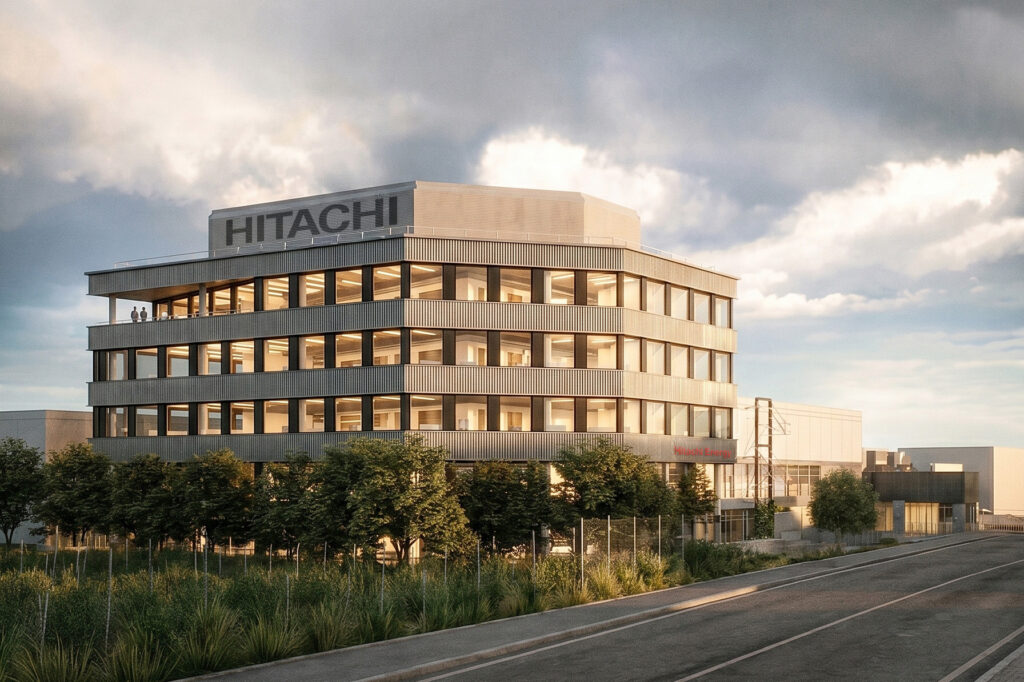
This AutoStore system does more than store goods. It will become part of a new logistics center that Hitachi Energy is adding to its existing production site in Lenzburg, Switzerland. In the future, the AutoStore system will connect the new goods receiving area with semiconductor production. With 12,000 bins, the system will serve as an intermediate buffer for material flows in both directions.
The international company has commissioned Element Logic to supply, install, and commission the system, including conveyor technology and integration with production.
At its Lenzburg site, Hitachi Energy produces highly complex power semiconductors for a wide range of applications. They are used to help control electricity, for example, in trains and locomotives, high-voltage grids, wind and solar power systems, and electric vehicles. The facility is one of the key semiconductor production sites in Hitachi Energy’s global network.
Buffer Between Goods Receiving and Production
At the heart of the new concept is the AutoStore system. Unlike conventional applications, it will function as a buffer between goods receiving and production.
Both materials from goods receiving and empty containers from production will be temporarily stored in AutoStore. The system will provide materials for production as needed and in the correct sequence. In the opposite direction, AutoStore will supply goods receiving with empty production containers, or small load carriers.
Designed for 24/7 operation, the system will include 12,000 bins and six R5 Pro robots. Element Logic Bin Loaders will automatically insert the small load carriers into the AutoStore bins and remove them again. The installation will also feature Element Logic’s proprietary software, two ConveyorPorts for the manual storage and retrieval of individual components. A conveyor system for small load carriers and bins will connect AutoStore with the other processes.

Our production requires a reliable and controlled material flow. That is why we considered storage and production supply together from the very beginning and specifically coordinated the interfaces between the two areas.
Patrick Meyer, Category Manager at Hitachi Energy Ltd. Switzerland
Reduced-Oxygen Environment, ESD Protection, and Cleanroom Compatibility
The system will operate in a reduced-oxygen section of the building to help prevent fires. To protect electronic components against electrostatic discharge, Element Logic will use ESD-protected AutoStore bins. The customers’ small load carriers are also ESD-protected. ESD (Electrostatic Discharge) protection helps prevent static electricity from damaging sensitive electronic components, such as semiconductors.
Semiconductor production places stringent requirements on container cleanliness. For this reason, the containers are used in a cleanroom area. In goods receiving, they are blown clean with ionized air before and after filling to remove foreign particles and dust.

This project is about connecting goods receiving, buffer storage, and production as effectively as possible. It is also about ensuring that container handling, conveyor technology, software, and protective measures work together reliably.
Joachim Kieninger, Director Strategic Business Development at Element Logic Germany
Software Connects the System Components
Element Logic is also responsible for the system controls. eController will handle key control functions. Through defined interfaces, the software will integrate the individual components into the overall process. Element Logic will gradually bring goods receiving, AutoStore, and semiconductor production together into a seamless material flow.
Learn More About Innovative Solutions and the Benefits They Can Bring to Your Business Through More Customer Cases
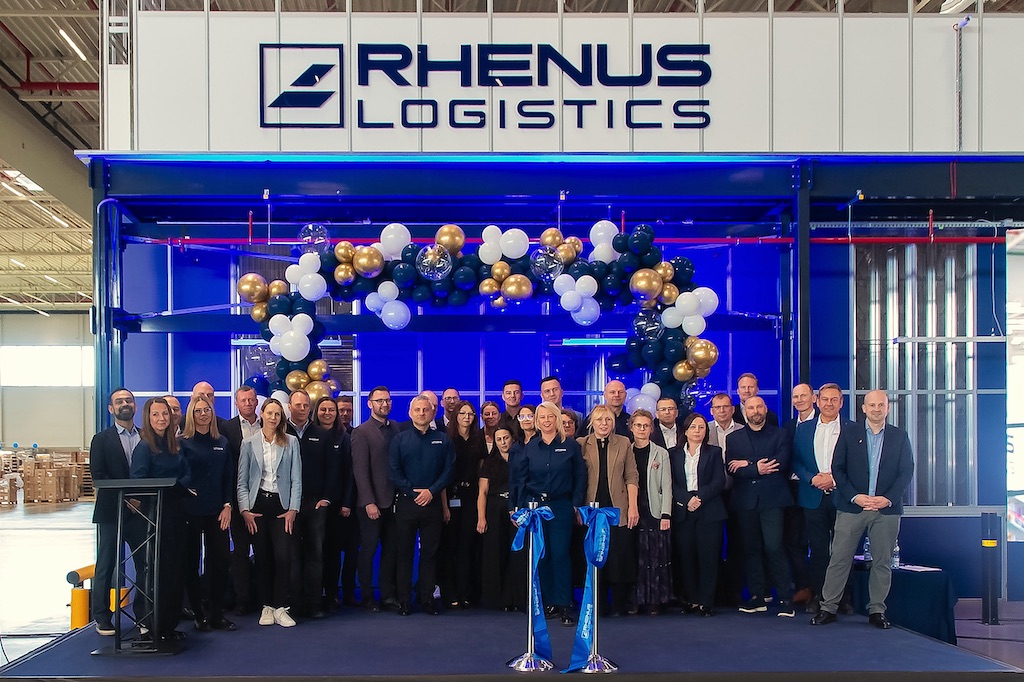
Element Logic and Rhenus Celebrate the Launch of AutoStore in Bolesławiec
The event provided an opportunity to showcase the results of several months of preparation and discuss the importance of automation […]
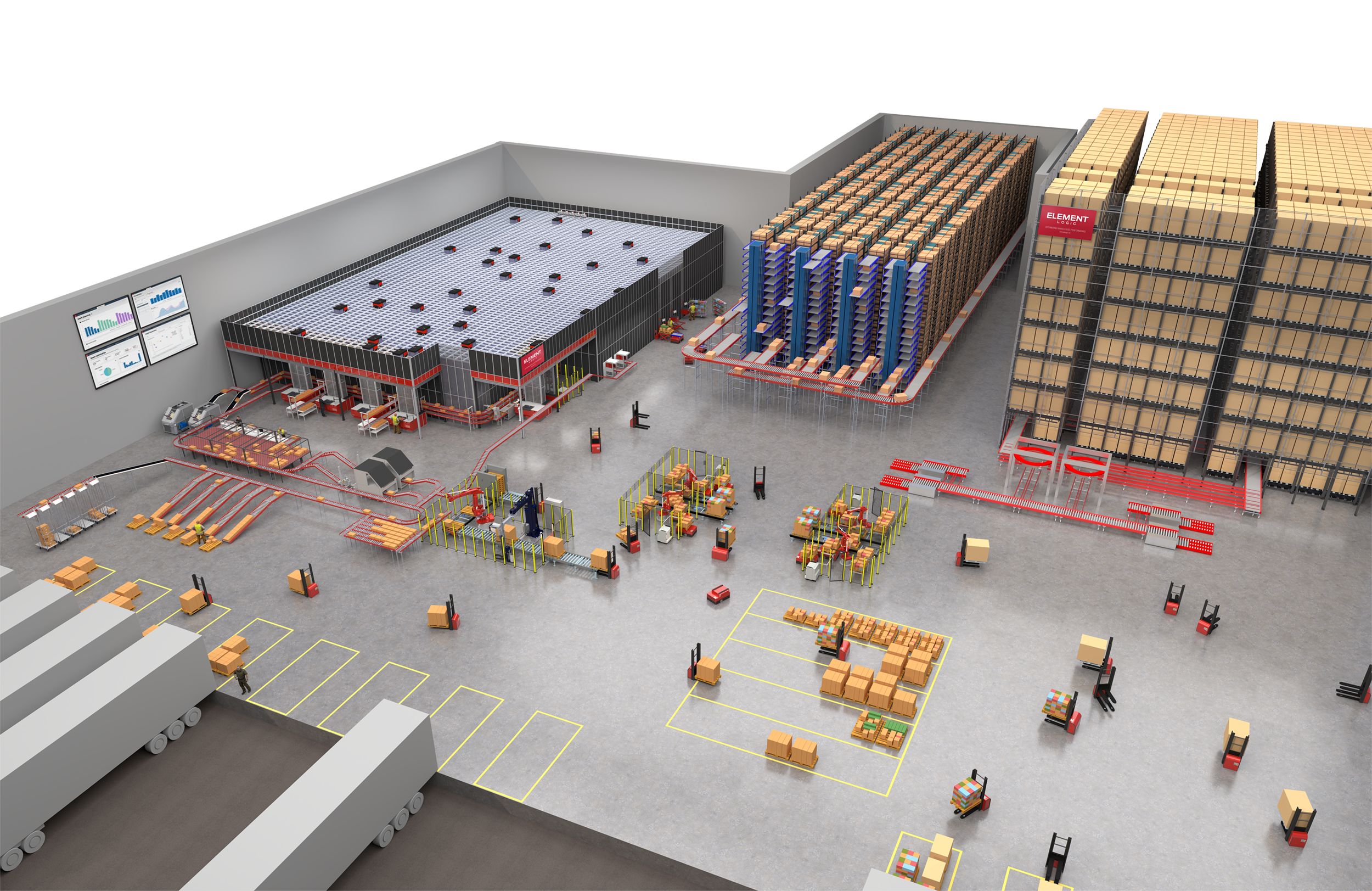
From automation toward autonomy, and what it means for your warehouse
Warehouses rarely stand still. Product ranges change, volumes grow and fluctuate and customer expectations increase. What worked when an automated […]

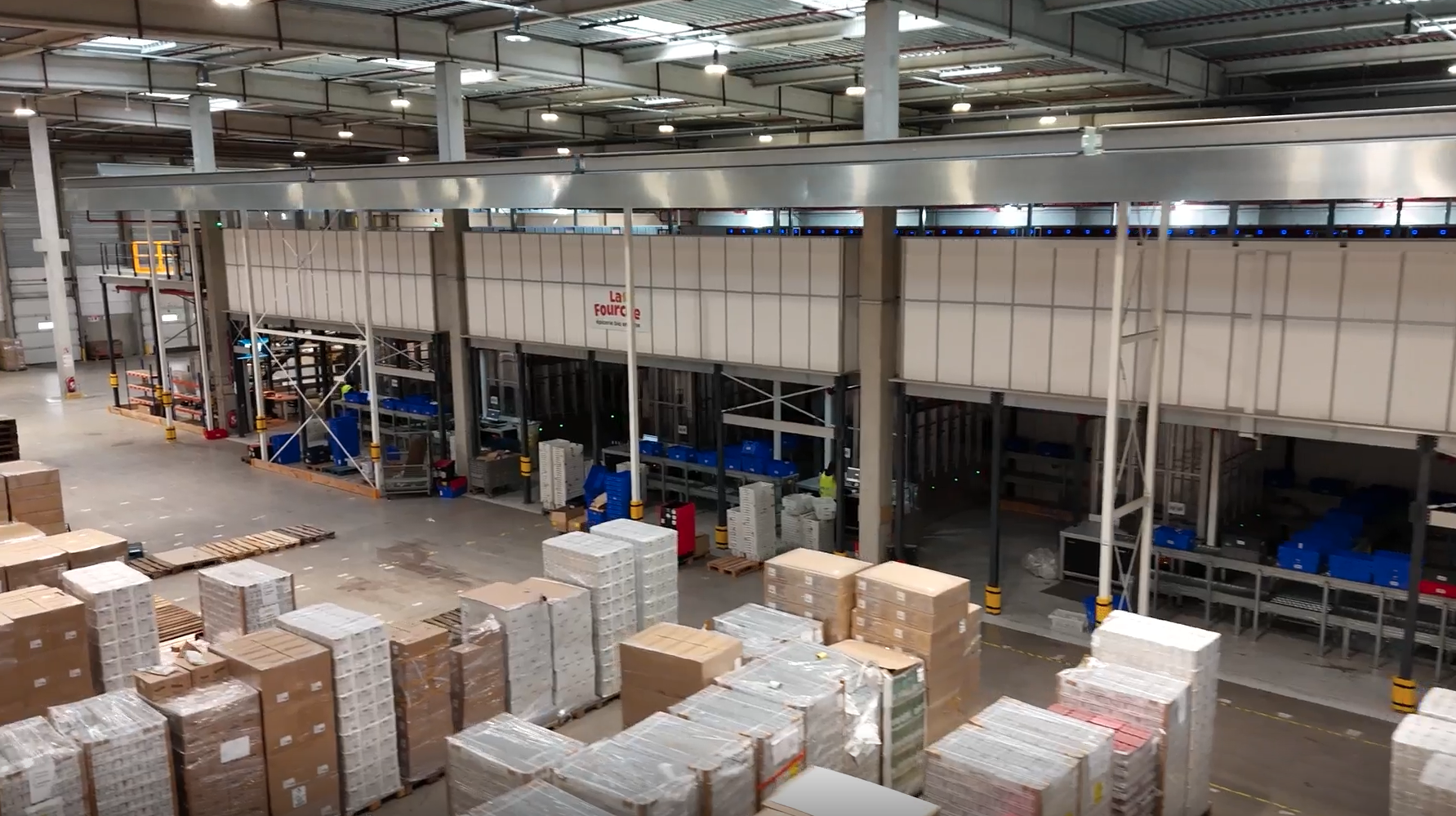
La Fourche Triples Its Productivity with Element Logic
Against a backdrop of rapid growth, La Fourche chose to develop and automate its supply chain to support the growth […]