How to choose an ASRS for your warehouse
A warehouse that’s running out of room for small items needs a different setup from one that moves full pallets all day. Both can benefit from an automated storage and retrieval system (ASRS), but they’ll need the system to do different jobs. Here’s how to choose an ASRS based on the loads you handle and where work backs up.
Types of ASRS at a glance
When planning warehouse automation, it’s important to know how to choose an ASRS that fits your specific needs.
Mobile robot systems can bring totes or entire shelves to a workstation. Consider them if you want to automate one area first and expand in stages.
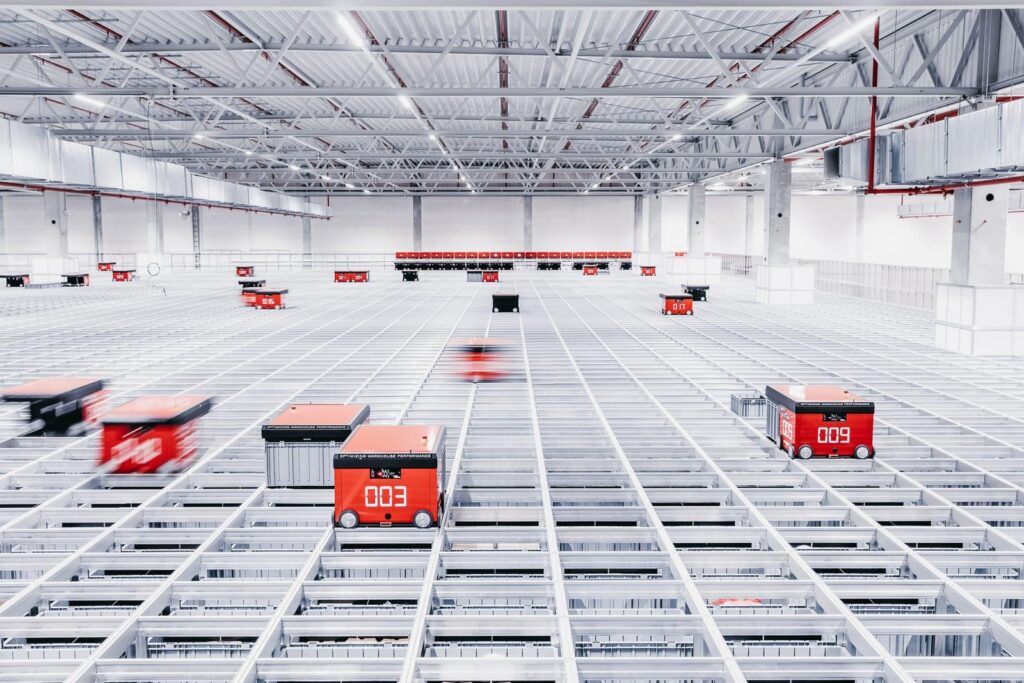
Cube storage stores goods in stacked bins. Consider it when you need more storage capacity without expanding your warehouse.
Shuttle ASRS handles bins, cases, or pallets, depending on the design. It suits operations that need to retrieve many loads in a short time.
Mini-load ASRS uses a crane to store and retrieve bins, trays, or cases. It’s an option for lighter loads such as spare parts and components.
Unit-load ASRS stores and retrieves full pallets. It makes sense when you want to automate pallet handling and use more of your building’s height.
Vertical lift modules store small items on trays. They’re useful when parts or tools need to stay close to where they’re used.
How the systems work
Cube storage with AutoStore
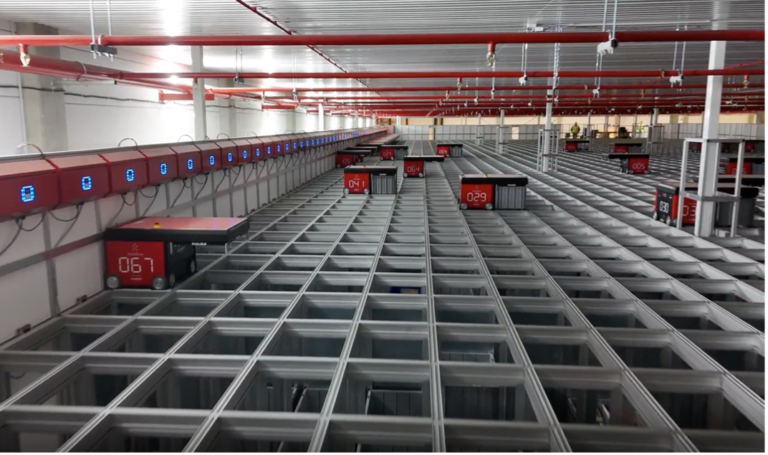
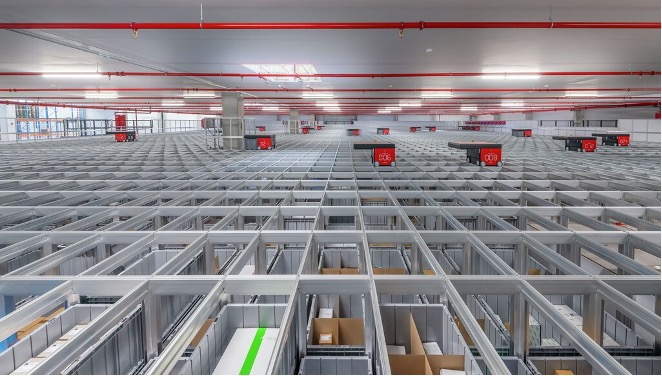
Cube storage stacks bins inside a grid instead of leaving aisles between racks. AutoStore robots travel on top of the grid and bring bins to picking stations. This is known as goods-to-person picking.
La Fourche, a French online grocer, needed more storage space and faster picking as orders grew. After Element Logic installed its AutoStore system, La Fourche tripled its order-picking productivity.
Shuttle ASRS
Shuttles travel along the racking. In many designs, lifts move loads between levels and conveyors take them to workstations. Several shuttles can work at once, which helps when many loads need to reach picking stations in a short time.
Mini-load ASRS
A stacker crane moves along an aisle and lifts bins or cases into place. This can suit a manufacturer that stores spare parts in standardized containers. The crane retrieves them without sending staff into the aisles.
Unit-load ASRS for pallets
In a crane-based system, a stacker crane puts away and retrieves full pallets from tall racks. This is worth considering if pallets are your main storage unit, even if the items are picked individually somewhere else.
Vertical lift modules
A vertical lift module stores trays inside a tall enclosure. When an operator requests a tray, an extractor brings it to an access opening. These modules suit small parts or tools that need to stay close to where they’re used.
Mobile robot systems
Some autonomous mobile robots bring totes or entire shelves to a workstation. They can be useful when you want to automate one area first and expand later. A robot that only transports loads between workstations doesn’t, on its own, form an ASRS.
What to check before you choose an ASRS
Before comparing equipment, look at your warehouse on a busy day. You may find that picking stations already keep up with orders, but replenishment holds them back. That changes what you need the storage system to do.
Loads and stock. Check product dimensions and weights, including items that won’t fit a standard bin. Note what must stay on pallets and which products you retrieve most often.
Peak throughput. Use order lines per hour for piece picking or pallet moves per hour for pallet handling. Include replenishment and model the busiest shift, not just the daily average.
Building and growth. Measure usable height and floor space. Allow for columns, access, and space to add storage or workstations if volumes grow.
Integration and costs. Check how the system will connect to your warehouse software and other equipment. Compare costs for installation, maintenance, software, and any downtime during the changeover.
Ask shortlisted suppliers to run the same peak scenario using your warehouse data. Faster retrieval won’t get more orders out the door if packing is already at capacity.